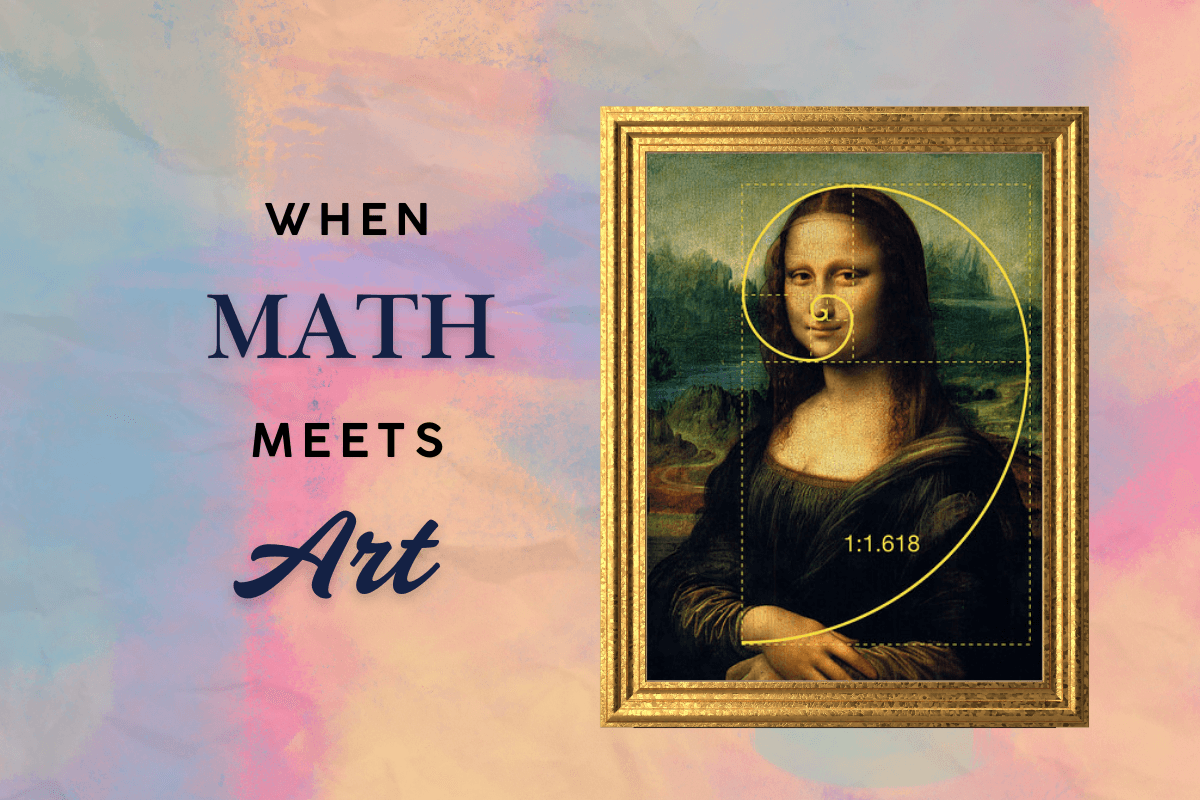
Maths and art aren’t opposites; many degrees blend both.
Creative fields still rely on structure, measurements and logic.
Technical courses often need creativity to make ideas work.
There are plenty of careers for “artsy but mathsy” people.
Your strengths in both areas can open more career pathways than you think.
7 Surprising Degrees That Blend Maths With Arts

Munirah Ahmad Niza
December 9, 2025
Who said maths and art can’t mix? 😌 Degrees like architecture, interior design, animation, product design and even fashion prove you can be creative and technical at the same time. If you vibe with both, there’s definitely a course out there that fits you perfectly.
Key Takeways
Maths and Art. Two worlds that seem totally different, right?
One’s all about logic and precision, while the other’s about creativity and expression.
But what if we told you that some of the COOLEST careers today…are actually built right where these two meet!

Designing buildings, creating games, sewing garments, these degrees prove that creativity can have structure and that numbers can make art even more beautiful.
👉Let’s check out the most popular degrees that mix both sides of your brain!
1. Architecture
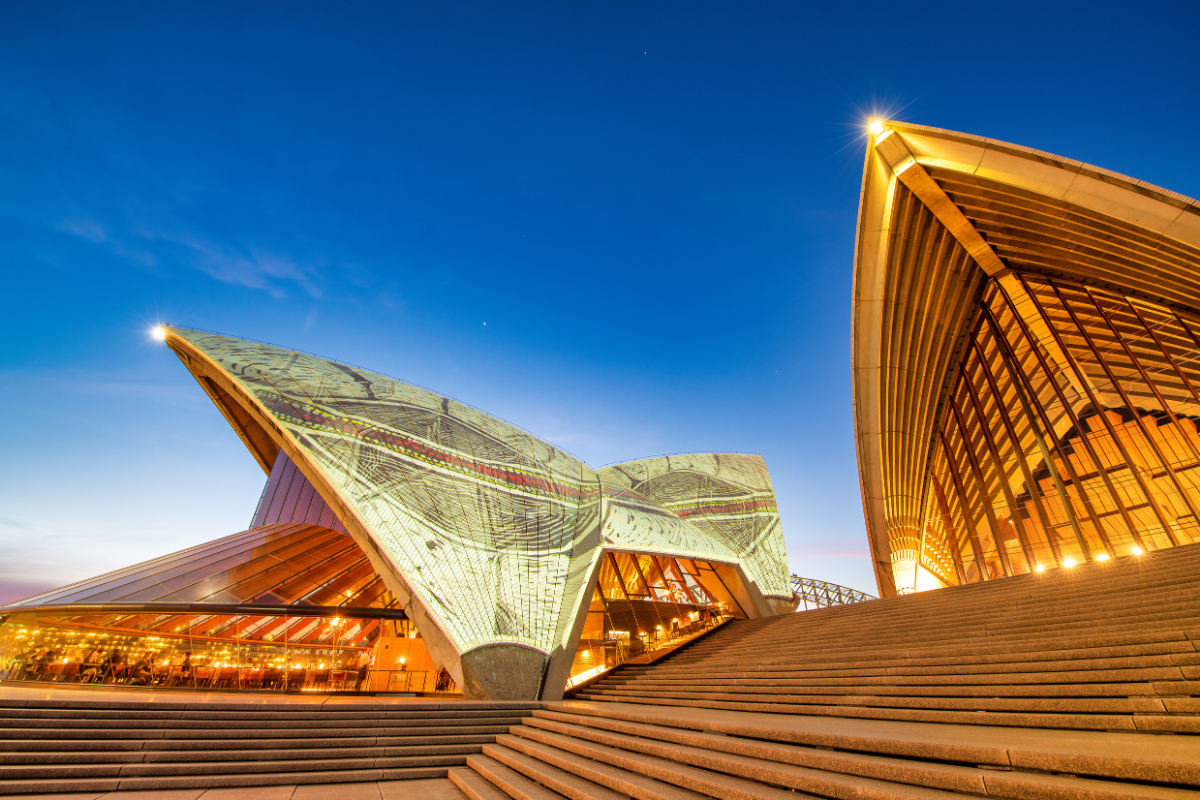
Architecture is built on maths. Geometry, measurement and spatial reasoning make sure every design stands strong.
But at the same time, it’s also deeply artistic: every curve, colour and form creates a spectacular visual experience. Just take a look at some of the most breathtaking buildings in the world, like the Taj Mahal, the Tower of Pisa, Duomo di Milano
🤓☝️Fun fact: Architecture is often called “the Mother of All Arts” because buildings give life and space to paintings, sculptures and other artworks. It combines aesthetics with science, technology, and engineering, and is considered the first art form to give civilisation a unique and defining soul, according to thinkers like Hegel.
What you’ll learn: Building design, 3D modelling, structural systems, and the mathematics of materials and stability.
Where to study:
- IUKL – Bachelor of Landscape Architecture / BSc (Architectural Studies)
- Taylor’s University – Bachelor of Science (Hons) in Architecture
- SEGi University – Bachelor of Science (Hons) in Architecture
- UCSI University – Bachelor of Science (Hons) in Architecture
2. Industrial Design/Product Design
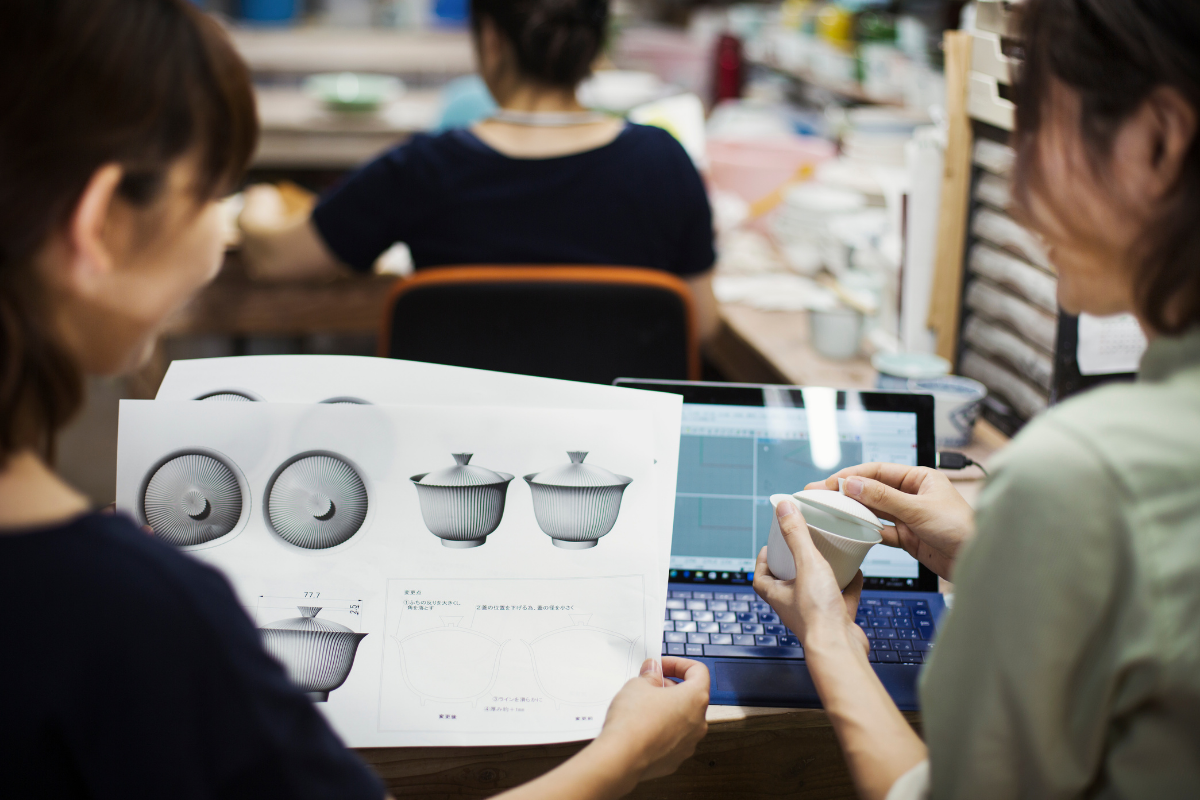
From the phone you scroll on to the chair you sit on, every product is designed with both creativity and precision. This field blends art and engineering to make everyday items not only useful but also beautiful.
Maths plays a big role here, as designers calculate measurements, angles, and proportions to ensure products are ergonomic and safe. Then comes the artistic touch: the shape, texture and colour that make a product stand out.
What you’ll learn: 3D modelling, material science, design sketching, prototyping, and manufacturing processes.
Where to study:
- MSU – Bachelor in Product Design (Hons)
- APU – Bachelor of Arts (Hons) in Industrial Design
For Ivana Saldhana, a Bachelor of Arts in Industrial Design student at APU, she describes product design as a constant cycle of “imagine → prototype → test → fix → repeat.”
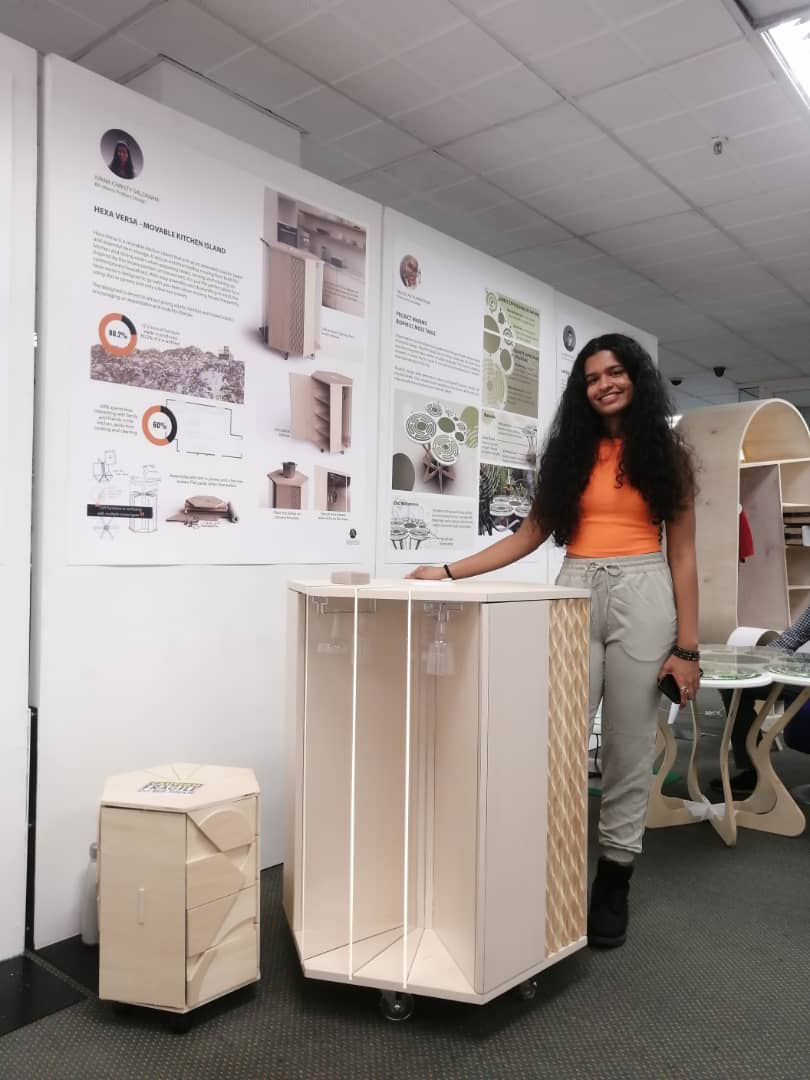
“Every project starts with understanding the problem, and once you define what you’re solving, the design has a clear direction.”
She says maths and engineering sneak in everywhere, especially in ergonomics (making things comfy and safe to use) and manufacturing (figuring out if your design can actually be produced). Even the prettiest product won’t make it to market if the numbers don’t add up.
One of her favourite challenges? Designing a walkie-talkie. It was her first time dealing with plastic moulding rules; suddenly, every curve and angle had technical limits, and she was faced with the realities of how plastics behave in production.
It pushed her to blend creativity with real-world constraints, and the final design ended up better because of it.
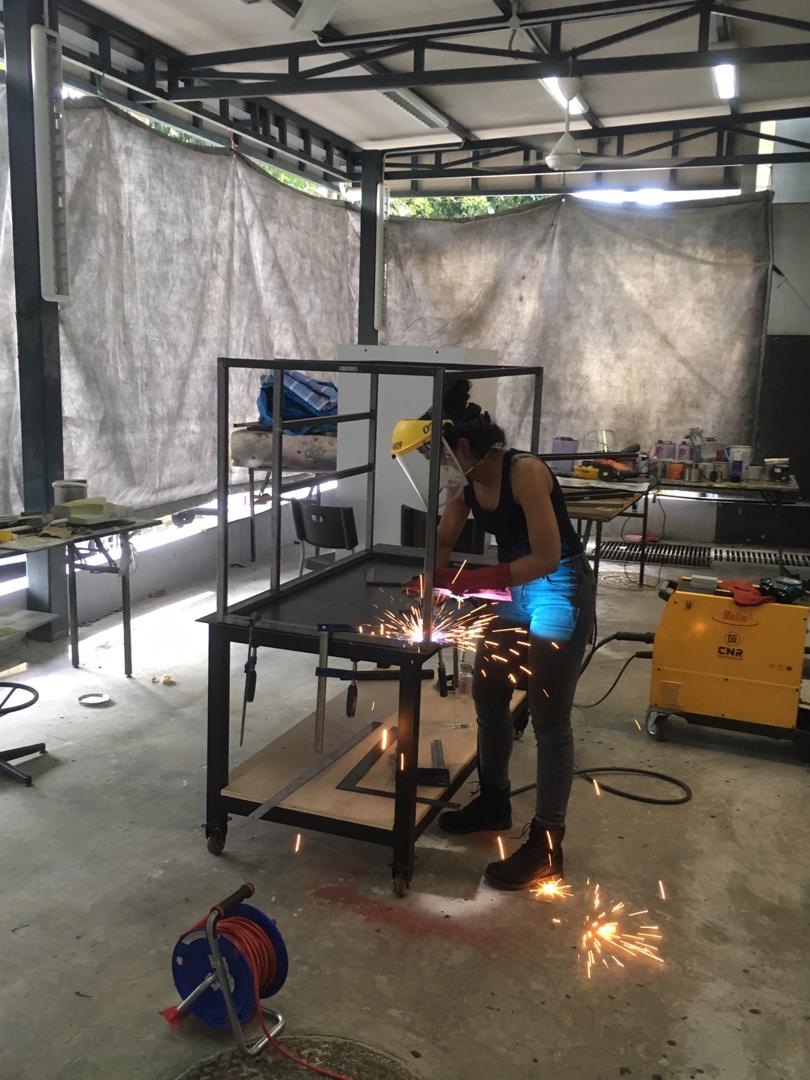
So what makes a product truly successful?
“For me, it’s when something just fits into your life,” she says. “No product can be perfect in every category, but the best ones get the essentials right: usefulness, comfort, beauty, durability, and pricing. When all of those work together, the product stops feeling like a “design” and simply becomes part of daily living.”
3. Interior Architecture/Interior Design

Ever walked into a room that felt just right, where the lighting, furniture and colours seemed to all be working in perfect harmony? That’s the beauty of interior design.
It’s the art (and science!) of making spaces functional, comfortable and beautiful all at once.
Maths plays a hidden but vital role here. Designers rely on geometry, proportion and scale to plan layouts and ensure everything fits seamlessly. Angles, measurements and balance make a room work practically, while the creative side brings it to life with colour, texture and lighting that set the mood.
What you’ll learn: Spatial planning, lighting design, digital rendering and material selection.
Where to study:
- UOW Malaysia – Bachelor of Arts (Hons) in Interior Architecture
- SEGi University – Bachelor of Arts (Hons) in Interior Architecture
- Taylor’s University – Bachelor of Arts (Hons) in Interior Architecture
- UCSI University – Bachelor of Arts (Hons) in Interior Architecture
4. Creative Multimedia
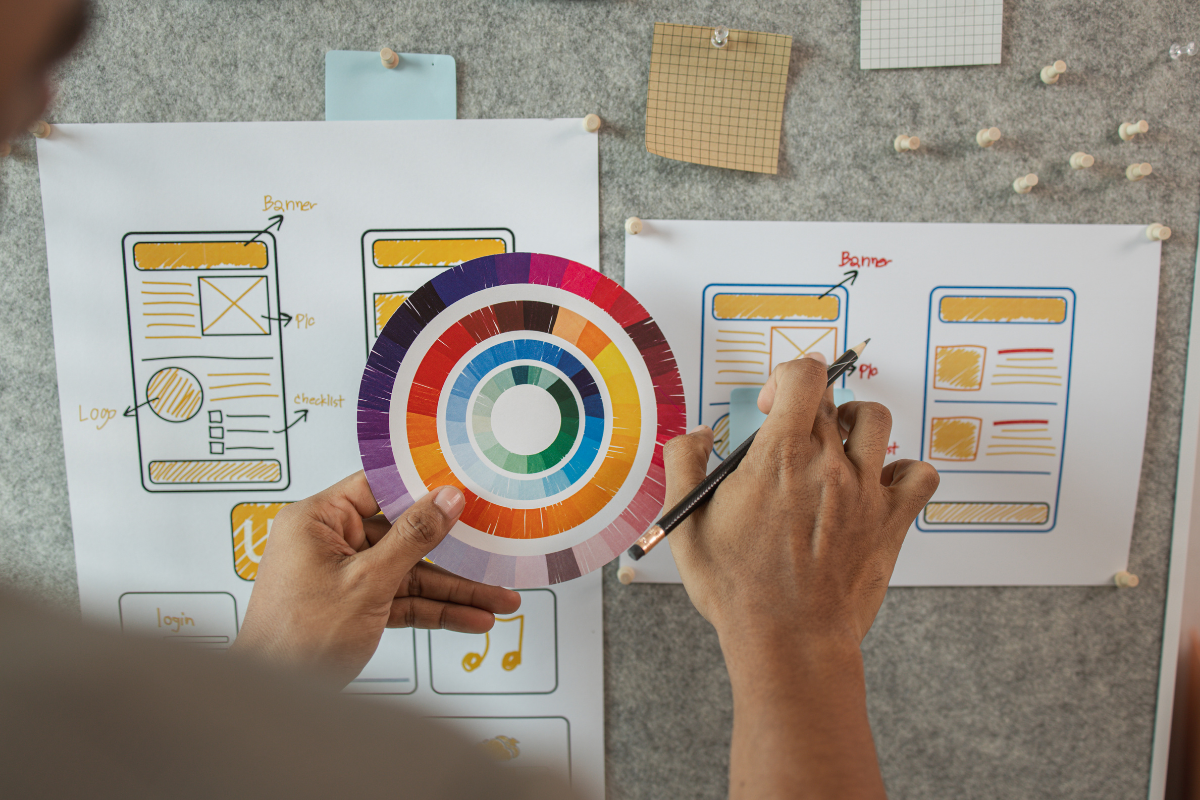
Digital media is everywhere today. In stunning animations, websites, or viral digital ads you’ve seen have a perfect blend of creativity and technology to create the digital content we consume every day.
Maths and logic actually play a sneaky role here: timing, frames per second, grids, coordinates, movement physics, literally all the things that make animations smooth, layouts balanced, and interactions feel natural.
Add a pinch of creativity, and suddenly the visuals pop, stories come alive and interfaces feel intuitive.
What you’ll learn: Motion graphics, UI/UX, 2D and 3D design, and interactive media.
Where to study:
- MMU – Bachelor of Immersive Media Design (Hons) / Bachelor of Multimedia (Hons) Visual Effects
- Taylor’s University – Bachelor of Design (Hons) in Creative Multimedia
- UCSI University – BA (Hons) Multimedia Design
- MSU – Bachelor in Creative Multimedia (Hons)
For Ng Chzee Lie (Zee), a Bachelor of Creative Multimedia (Hons) graduate from TAR UMT, maths shows up in ways most people don’t realise, especially in animation.
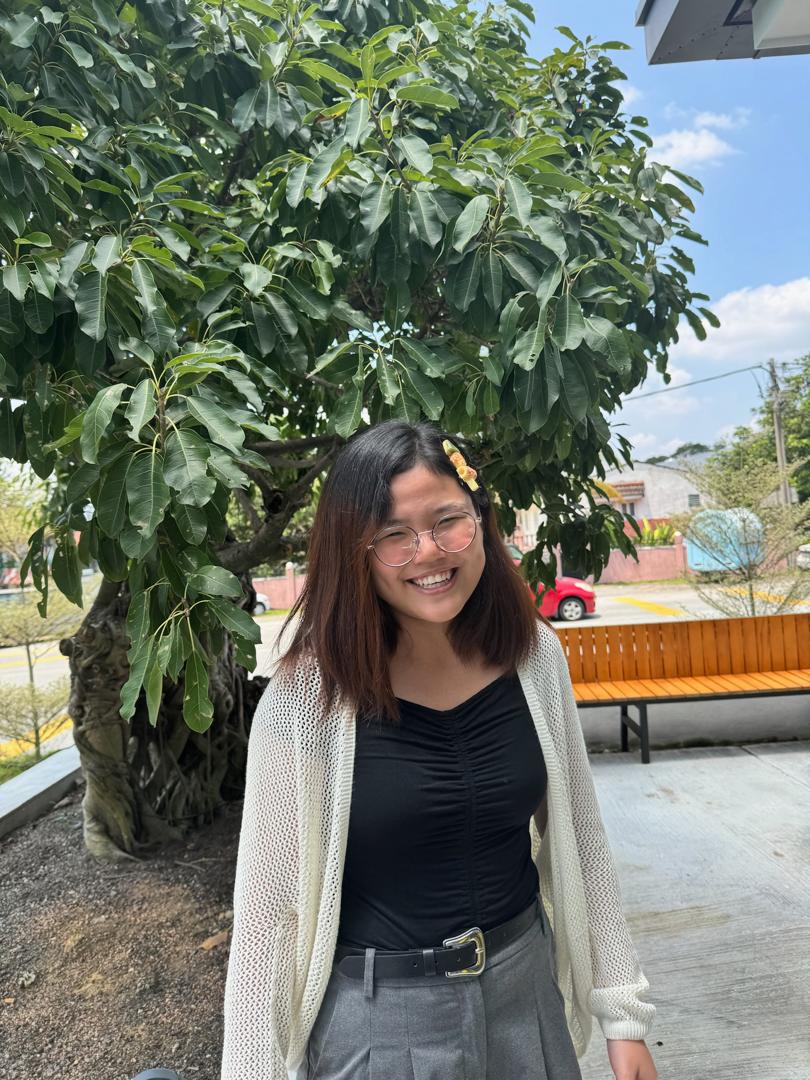
“Yes, you’ll need to draw 1440 frames just for a one-minute video.” Knowing fps, timing and basic physics helps to make movement look natural and believable, all of which uses, yep, maths.
But the real game-changer for a student like her was really the basics: design foundations, software skills, and learning how to plan and manage a project from start to finish. Teamwork also plays a big role. “A project can’t be done with only one person; we need to work as a team to complete different tasks.”
One of the most exciting challenges she faced was building an Egyptian mythology website from scratch, mixing both design and coding. “It challenged me a lot,” she says. “You have to think about how users will read the info while also figuring out how to make the layout work in code.”
But the digital world is changing fast, and it doesn’t seem to be slowing down at any moment. To keep up, Zee constantly browses Pinterest, Instagram and YouTube tutorials, and keeps an eye on new design trends.
Her biggest advice?
Don’t be afraid to try new things, keep practicing, and stay curious. Explore both art and tech; technology can make your art stronger, and your creativity can make your tech skills more exciting.”
5. Graphic Design

Behind every sleek poster, balanced logo or perfectly aligned layout lies a bit of mathematical magic.
Graphic designers use grids and ratios (like the Golden Ratio) to guide the layout, spacing and visual flow to make sure everything in the visual feels polished and professional.
But it’s not just about precision, of course. It's the creative expression that’s key. They transform ideas into visuals that inspire, persuade and tell stories.
The maths brings structure, while the art brings emotion, and together they turn blank canvases into beautiful, impactful designs.
What you’ll learn: Typography, visual communication, digital design tools (Photoshop, Illustrator), and layout systems.
Where to study:
- MSU – Bachelor in Graphic Design (HonsTAR UMT – Bachelor of Design (Hons) in Graphic Design
- University of Cyberjaya – Bachelor of Art (Hons) in Graphic Design (Advertising)
- Saito University College – Bachelor of Design (Graphic Design) (Hons)
6. Animation & Game Design
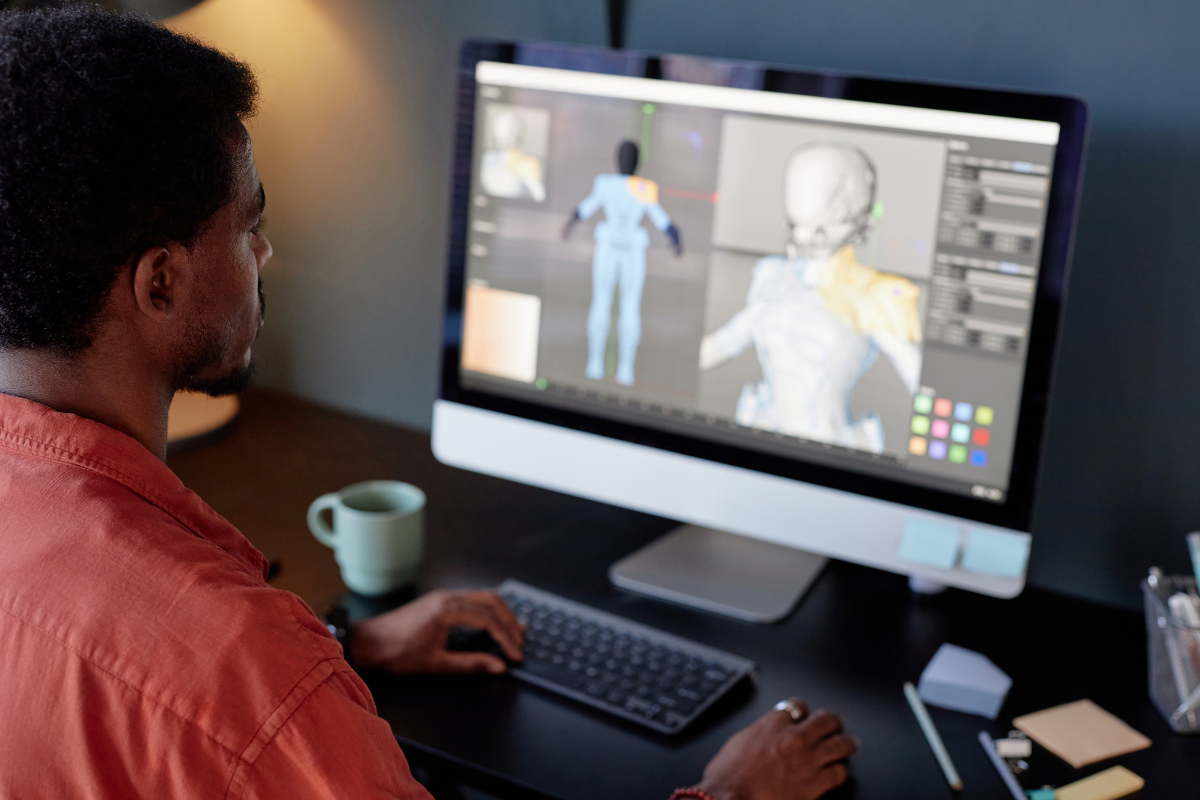
Every game you play or animated film you love started as a blend of art, maths and storytelling.
The maths powers the technical side. All the smooth movements, realistic lighting, and lifelike characters are brought to life thanks to carefully calculated motion paths, 3D space design, and light and shadow simulation.
Add creativity to the mix, and you get the characters, stories and emotions that connect with the audience.
Together, they make your imaginations come alive.
What you’ll learn: Animation principles, coding, visual storytelling, and game physics.
Where to study:
- MMU – Bachelor of Multimedia (Hons) Animation
- UOW Malaysia – Bachelor of Game Development (Hons)
- MSU – Bachelor in Games Design and Animation (Hons)
- UCSI University – BCA (Hons) 3D Animation Design / BA (Hons) Game Design
7. Fashion Design

A stunning outfit starts with more than just inspiration. It also begins with measurements and precision. Every cut, drape and seam uses a bit of maths to make sure each design fits and moves perfectly.
Fashion designers use ratios, proportions and symmetry to turn sketched designs into wearable art. Precision is also key in calculating fabric lengths and perfecting silhouettes.
Then comes the artistry: the colours, textures and personal flair that turn this structure into style.
What you’ll learn: Pattern drafting, garment construction, textiles and fashion illustration.
Where to study:
- MSU – Bachelor in Fashion Design with Marketing (Hons)
- UCSI University – BA (Hons) Fashion Design with Marketing
- TAR UMT – Bachelor of Design (Hons) in Fashion Design
- Taylor’s University – Bachelor in Fashion Design Technology (Hons)
👉Click here to read Suraya's story as a fashion designer!
Final Thoughts
At the end of the day, maths and creativity, as it turns out, aren’t opposites after all! They’re a combination that just simply ✨works together✨
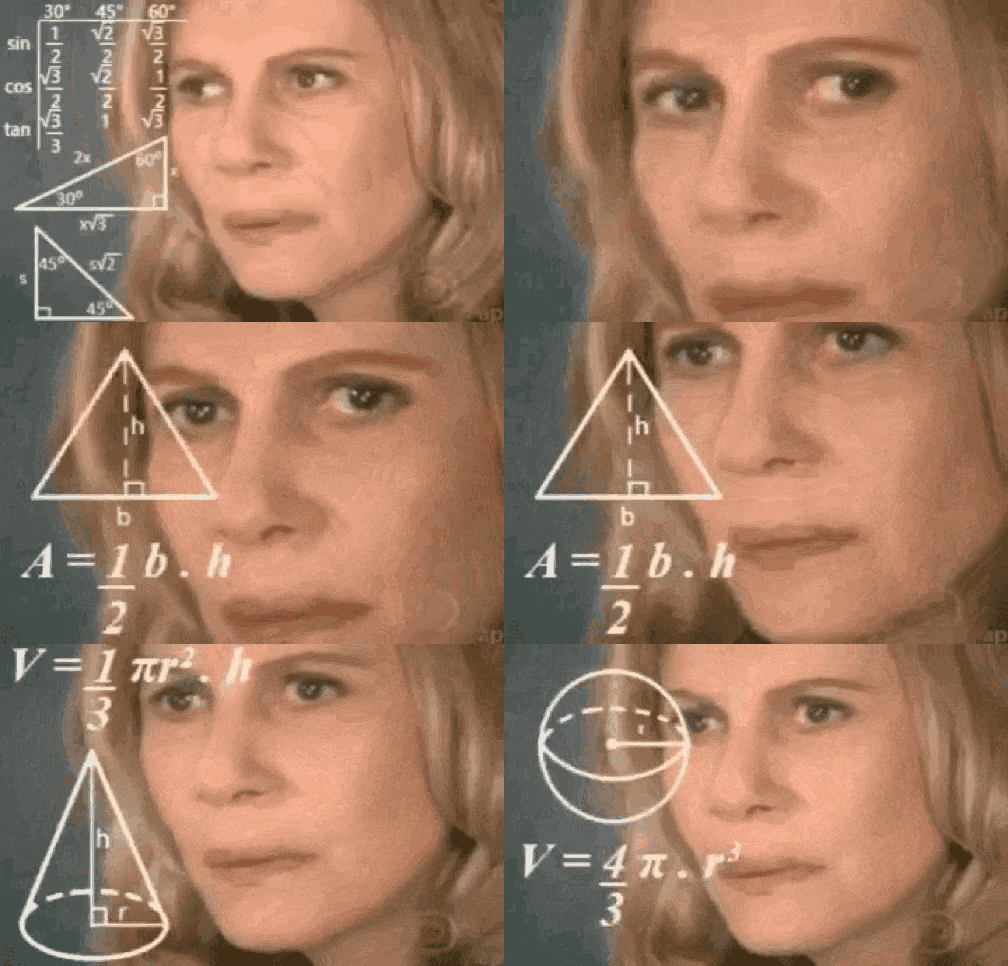
So, if you’ve ever felt “too artsy for maths” or “too mathsy for art”… surprise! There’s actually a perfect place for you. Explore, experiment and find the path that makes you feel like you’re exactly where you’re supposed to be.
Got questions? Click here to chat with one of our counsellors on WhatsApp and get tailored advice!


Students
© 2009 - 2026 TIMES MEDIA SDN. BHD. (955976-P). All Rights Reserved.