IC Design vs Semiconductor Manufacturing: Which Career Is Right for You?

Jeremiah Thooyavan
November 10, 2026
Compare IC design and semiconductor manufacturing careers in Malaysia. Explore daily work, technical skills, salaries, job prospects and career progression.
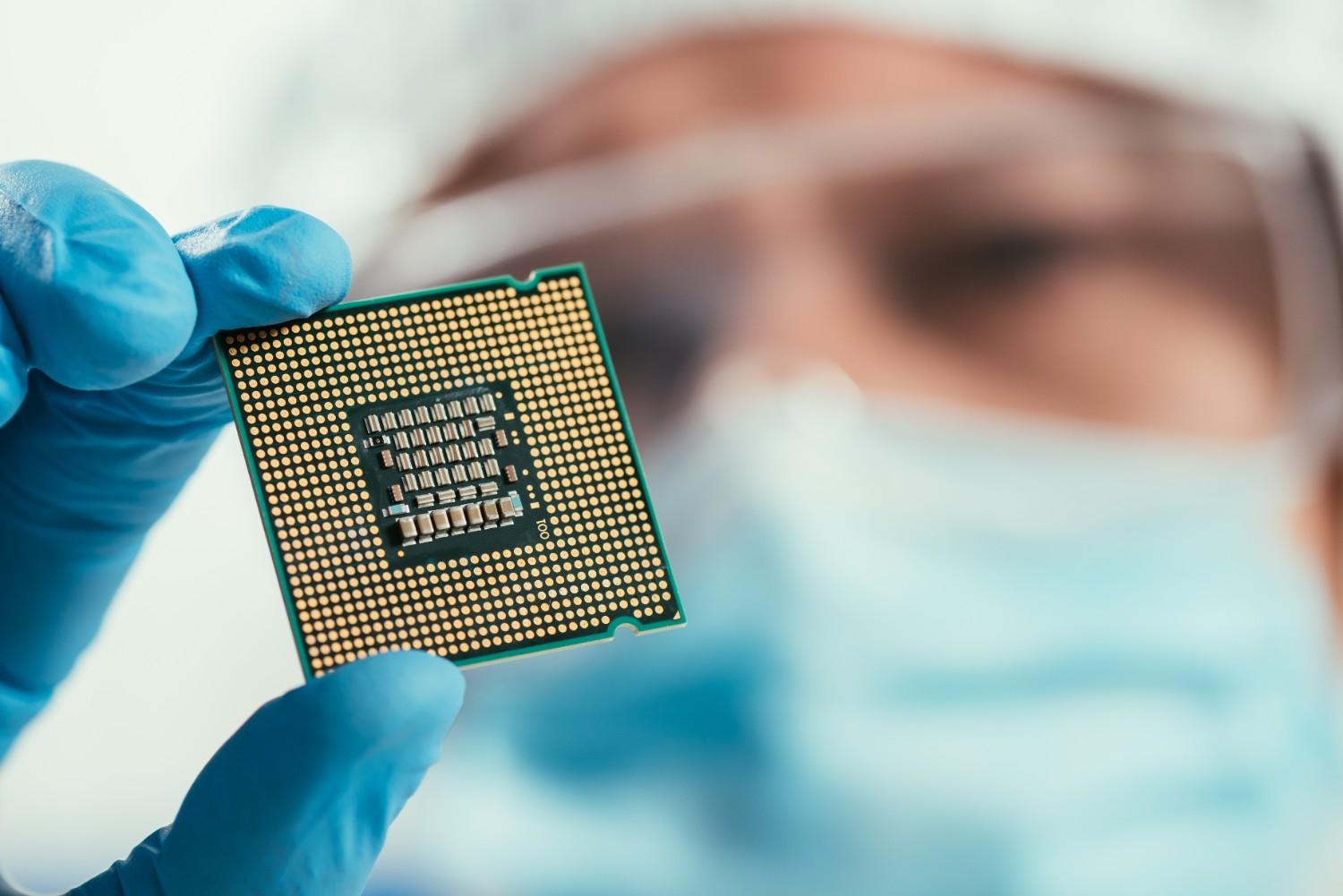
- IC Design Engineers develop electronic circuits, while Semiconductor Manufacturing Engineers turn those designs into physical chips. IC design focuses on circuit development, simulation and verification, while manufacturing involves wafer fabrication, equipment maintenance, production efficiency and quality control.
- Both careers require different technical skills and offer different working environments. IC Design Engineers typically work in offices using electronic design software, programming and circuit simulation. Manufacturing Engineers often work in factories, laboratories and cleanrooms, focusing on machinery, production processes and troubleshooting.
- Malaysia has an established semiconductor manufacturing industry and a growing IC design sector. The country holds approximately 13% of the global back-end semiconductor market, while its IC design ecosystem is expanding through dedicated design parks in Puchong and Cyberjaya, creating opportunities across both fields.
- Both semiconductor career paths offer competitive salaries and opportunities for specialisation. Experienced IC design and R&D specialists can earn RM8,000–RM25,000 per month, while senior semiconductor engineers may earn RM10,000–RM20,000. Students should choose based on their interests in circuit design, programming, manufacturing processes or hands-on engineering rather than salary alone.
IC design engineers develop the electronic circuits inside semiconductor chips, while semiconductor manufacturing engineers turn those designs into physical products. Both are essential to making the processors, memory chips and electronic components used in modern technology.
In Malaysia, these careers offer different opportunities, from office-based chip design to engineering work in factories and cleanrooms. The right choice depends on the technical problems you enjoy solving, your preferred working environment and your career goals.
IC Design vs Semiconductor Manufacturing: What's the Difference?
The biggest difference is what engineers are responsible for creating and improving.
Comparison | IC Design | Semiconductor Manufacturing |
Main responsibility | Design electronic circuits | Manufacture reliable physical chips |
Daily work | Circuit development, simulation, verification | Equipment monitoring, troubleshooting, process improvement |
Common tools | EDA software, circuit simulators | Production machinery, testing equipment, data-analysis software |
Working environment | Mainly offices and design laboratories | Factories, cleanrooms and laboratories |
Typical qualifications | E&E, Microelectronics, Computer Engineering | E&E, Mechanical, Chemical, Materials, Mechatronics |
Work schedule | Usually office-based, with project deadlines | May include shifts and production support |
Major challenges | Circuit errors, power consumption, timing | Defects, production yield, equipment reliability |
What Does an IC Design Engineer Do?
IC design engineers create and test electronic circuits before chips are manufactured.
Imagine designing a smartphone processor. Its circuits must process information correctly while meeting performance, power-consumption and temperature requirements.
Engineers use specialised Electronic Design Automation (EDA) software to develop and simulate these circuits.
IC design includes several specialisations:
- Digital IC Design: Develops logic circuits for processors and controllers.
- Analogue IC Design: Designs circuits for signals and power management.
- Physical IC Design: Converts circuit designs into physical layouts.
- Design Verification: Tests whether proposed circuits behave as intended.
Related positions include RTL Design Engineer, Physical Design Engineer, Analogue Layout Engineer and Design-for-Test (DFT) Engineer.
Unlike manufacturing engineers, most IC designers spend much of their time working with software. However, project deadlines can become demanding as teams approach tape-out, when a completed design is submitted for manufacturing.
What Does a Semiconductor Manufacturing Engineer Do?
Semiconductor manufacturing engineers develop and improve the processes used to produce chips reliably and efficiently.
Suppose a production line suddenly starts producing more defective chips than usual.
Engineers must investigate the cause. It could involve incorrect equipment settings, contaminated materials or unstable manufacturing conditions.
Their work generally covers two major areas.
Wafer fabrication involves creating microscopic electronic structures on silicon wafers through processes such as deposition, lithography and etching.
Assembly, packaging and testing involve separating wafers into individual chips, connecting and protecting them, and checking their performance. Companies specialising in these activities are sometimes called outsourced semiconductor assembly and test (OSAT) providers.
Common positions include Process Engineer, Equipment Engineer, Yield Engineer, Test Engineer and Quality Engineer.
Unlike design roles, some manufacturing positions require shift work, cleanroom protective clothing or urgent troubleshooting when equipment problems interrupt production.
Which Requires More Programming and Mathematics?
Digital IC design generally involves more hardware-description programming, while manufacturing engineering relies more heavily on statistics, process measurements and production data.
IC Design | Semiconductor Manufacturing |
Circuit theory and digital logic | Statistical process control |
Verilog and SystemVerilog | Production and yield analysis |
SPICE circuit simulation | Process optimisation |
Python and Tcl scripting | Equipment automation and troubleshooting |
Both require strong mathematics and problem-solving skills.
However, manufacturing engineers may also write software, while analogue designers often rely more on circuit theory and simulation than hardware-description languages.
How Much Do IC Design and Manufacturing Engineers Earn in Malaysia?
Salaries vary by experience, technical specialisation and employer. The available benchmarks also measure different job categories, so they should not be treated as direct salary averages for every engineer in either field.
Role or experience level | Indicative monthly salary |
Production Engineer, 1–3 years | RM3,500–RM5,500 |
Process Engineer, 2–5 years | RM5,500–RM9,000 |
Senior semiconductor engineer | RM10,000–RM20,000 |
Experienced IC design and R&D specialist | RM8,000–RM25,000 |
IC design can offer high salaries for experienced specialists, but manufacturing engineers can also progress into senior technical and management positions.
Which Has More Career Opportunities in Malaysia?
Manufacturing has a larger established industrial footprint in Malaysia, while IC design is expanding as the country develops higher-value semiconductor capabilities.
According to MIDA, Malaysia holds approximately 13% of the global back-end semiconductor assembly, testing and packaging market.
Penang and Kulim are major manufacturing hubs, while semiconductor operations also exist in Melaka, Selangor and Sarawak.
Meanwhile, Malaysia's IC design ecosystem is growing.
In October 2026, the two Malaysia Semiconductor IC Design Parks in Puchong and Cyberjaya were reported to house 407 engineers across 20 companies.
These developments create different opportunities. Design parks support circuit design, verification and related engineering work, while manufacturing facilities employ process, equipment, packaging and testing specialists.
However, the expansion of IC design does not necessarily mean it currently offers more vacancies than manufacturing.
How Do IC Design and Manufacturing Engineers Work Together?
Design and manufacturing engineers have different responsibilities, but their work must align.
For example, a circuit layout might perform well during simulation yet be difficult to manufacture consistently.
Manufacturing specialists can provide feedback about production limitations, helping designers make improvements before large-scale fabrication.
This collaboration is related to Design for Manufacturability (DFM), which considers production requirements during design.
Should You Choose IC Design or Semiconductor Manufacturing?
Your decision should reflect the work you enjoy, not simply which field is receiving more investment.
Consider IC Design if you enjoy:
- Electronic circuits and digital logic.
- Programming, simulation and debugging.
- Solving complex design problems.
- Computer-based engineering work.
Consider Semiconductor Manufacturing if you enjoy:
- Working with machinery and production equipment.
- Troubleshooting technical problems.
- Physics, materials and manufacturing processes.
- Hands-on engineering and improving production efficiency.
Relevant qualifications include Electrical Engineering, Computer Engineering, Mechatronic Engineering and Chemical Engineering.
Both careers contribute to the same industry, but offer very different working experiences.
Frequently Asked Questions
1. Which Pays More in Malaysia, IC Design or Semiconductor Manufacturing?
Experienced IC design specialists can command high salaries, but earnings overlap with senior manufacturing engineering positions. Salaries depend on specialisation, experience and employer rather than the industry segment alone.
2. Do Semiconductor Manufacturing Engineers Work Shifts?
Some do, particularly in fabrication, equipment and production support roles where factories operate continuously. Other manufacturing engineering positions follow regular office schedules.
3. What Is the Difference Between Front-End and Back-End Semiconductor Jobs?
Front-end manufacturing generally refers to wafer fabrication, while back-end work covers assembly, packaging and testing. IC design is a separate, earlier stage of the semiconductor value chain.
4. Can Manufacturing Engineers Become IC Design Engineers?
Yes, although they may need additional knowledge of circuit theory, hardware design, simulation and EDA software. The transition is generally easier when their existing experience overlaps with the intended design specialisation.
5. Can You Get Into IC Design With a Mechanical or Chemical Engineering Degree?
It is possible in selected related roles, but core circuit-design positions usually favour Electrical and Electronic Engineering, Microelectronics or Computer Engineering backgrounds. Mechanical and Chemical Engineering are more directly relevant to many manufacturing roles.
6. Are There Semiconductor Wafer Fabrication Plants in Malaysia?
Yes. Malaysia has wafer fabrication operations, including facilities associated with Infineon in Kulim and X-FAB in Kuching. The country also has a substantial assembly, packaging and testing ecosystem.
7. Do IC Design Engineers Work in Semiconductor Factories?
Most work primarily in design offices or engineering laboratories. They may collaborate with fabrication and testing teams, but generally do not operate manufacturing equipment as part of their regular design duties.
8. Is IC Design Growing in Malaysia?
Yes. The expansion of Malaysia's IC Design Parks and national semiconductor initiatives indicates growing investment in chip design. However, hiring opportunities still depend on employers, specialisations and market conditions.


Students
© 2009 - 2026 TIMES MEDIA SDN. BHD. (955976-P). All Rights Reserved.