How Do You Start a Semiconductor Career in Malaysia?

Jeremiah Thooyavan
October 30, 2026
Want a semiconductor career in Malaysia? See which courses lead to which jobs, entry routes without a degree, top employers, salaries and where to start.
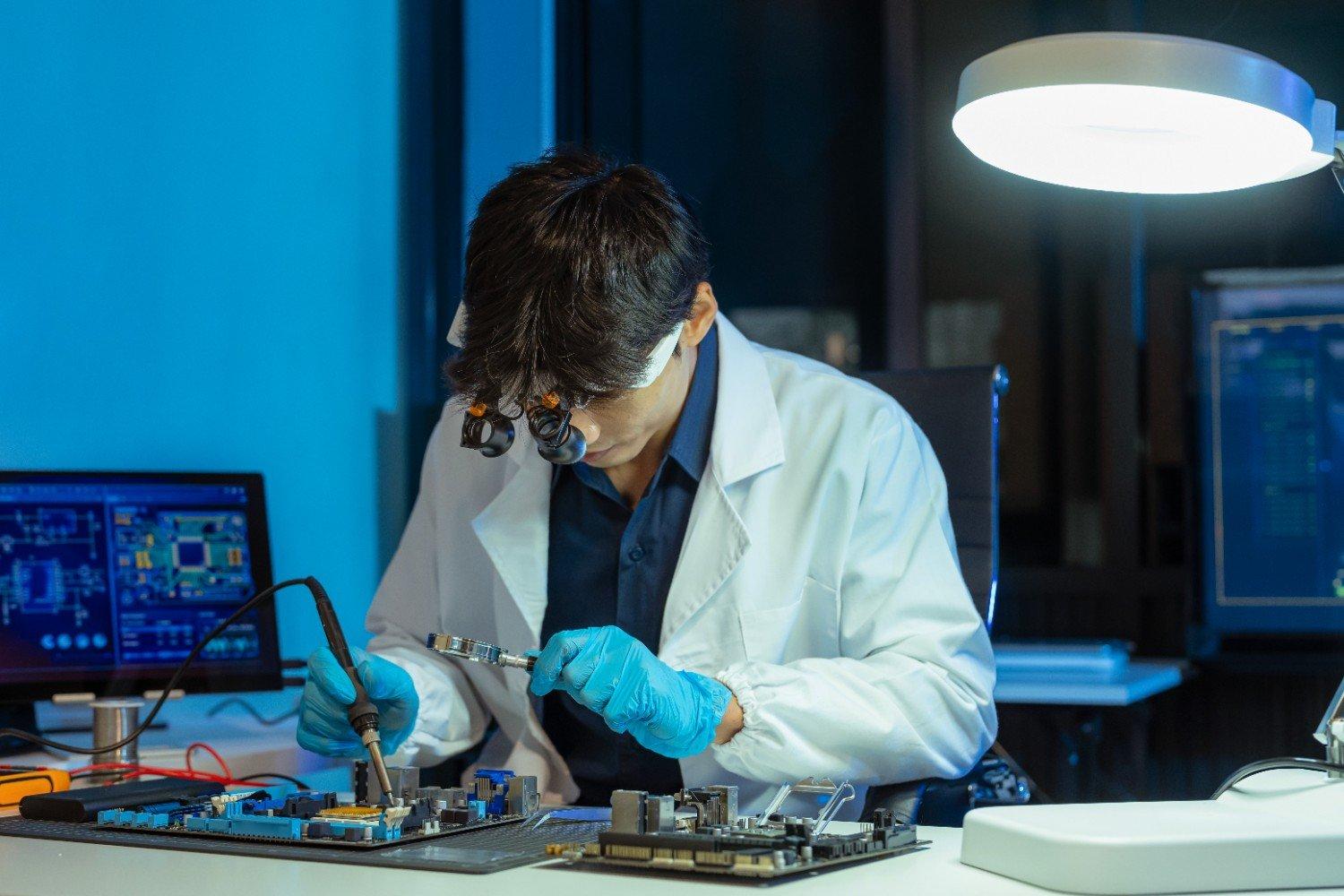
- Malaysia's semiconductor industry offers career opportunities beyond chip design and manufacturing. Students can explore careers in IC design, wafer fabrication, assembly, testing, automation, software development and supply chain management, depending on their interests and qualifications.
- Different semiconductor careers require different educational pathways. Electrical and Electronic Engineering, Computer Engineering, Mechatronics, Materials Engineering and Computer Science can lead to technical roles, while diploma and TVET qualifications provide pathways into technician and equipment-related positions.
- Practical experience is important for securing a semiconductor job. Employers value technical projects, internships and industry exposure. Students can develop relevant skills through chip design simulations, automation projects, laboratory work and industry-linked training programmes.
- Malaysia's semiconductor industry offers opportunities across several major employment hubs. Penang and Kulim are established centres for semiconductor activities, with opportunities also available in Melaka, Selangor and Sarawak. Growing AI adoption is also increasing the importance of programming, automation and data skills within the industry.
You can start a semiconductor career in Malaysia through engineering, computing, technical training or business qualifications, depending on the work you want to pursue. Opportunities range from designing chips and maintaining advanced machinery to developing manufacturing software and managing supply chains.
What Career Opportunities Are Available in Malaysia's Semiconductor Industry?
Semiconductors are electronic components found in smartphones, electric vehicles, computers and AI data centres. Before reaching consumers, semiconductor chips undergo several stages of development and production.
Industry area | What it involves | Potential careers |
IC design | Creating circuits that perform specific functions | IC Design Engineer, Verification Engineer |
Wafer fabrication | Manufacturing microscopic circuits on silicon wafers | Process Engineer, Materials Engineer |
Assembly and packaging | Connecting and protecting semiconductor chips | Packaging Engineer, Equipment Engineer |
Testing and quality | Checking chip performance and identifying defects | Test Engineer, Quality Engineer |
Equipment and automation | Maintaining and improving manufacturing machinery | Automation Engineer, Equipment Technician |
Software and AI | Developing manufacturing software and automated inspection systems | Software Engineer, Industrial AI Engineer |
Each area requires different qualifications and technical skills.
What SPM Subjects Should You Prioritise for a Semiconductor Career?
SPM subject | Why it matters |
Mathematics | Builds numerical reasoning and problem-solving skills |
Additional Mathematics | Introduces calculus and algebra used in engineering |
Physics | Develops understanding of electricity, circuits and energy |
Chemistry | Supports knowledge of materials and semiconductor manufacturing processes |
Computer Science | Introduces programming and computational thinking |
English | Helps with technical documentation and workplace communication |
Students interested in IC design, electronics or manufacturing engineering should prioritise Mathematics and relevant science subjects.
These are recommendations, not universal admission requirements. Diploma and degree programmes have different entry criteria, so students should check them before choosing their next qualification.
What Qualifications Do You Need to Work in Semiconductors?
A relevant engineering degree is common for semiconductor engineering roles, but different courses prepare students for different areas.
Field of study | Relevant courses | Potential careers |
Electronics | Electrical Engineering, Microelectronics | IC Design Engineer, Test Engineer |
Computer hardware | Digital Design Engineer, Verification Engineer | |
Machinery | Mechatronic Engineering, Mechanical Engineering | Equipment Engineer, Automation Engineer |
Materials | Chemical Engineering, Materials Engineering | Process Engineer, Materials Engineer |
Computing | Computer Science, Software Engineering | Software Engineer, Industrial AI Engineer |
Technical training | Electronics Diploma, relevant TVET qualifications | Test Technician, Equipment Technician |
Students considering professional engineering careers should also check whether their intended degree is accredited by the Engineering Accreditation Council, particularly if they intend to register with the Board of Engineers Malaysia.
How Can You Get Your First Semiconductor Job in Malaysia?
Beyond academic qualifications, semiconductor employers value practical technical skills and industry exposure.
Students interested in chip design can work on digital circuits, simulation or programming projects. Those pursuing manufacturing or equipment engineering can develop skills in automation, troubleshooting, laboratory testing and process improvement.
Industry-linked training programmes can also help bridge the gap between education and employment.
For example, CREST's Engineering Talent for Semiconductor Industry programme includes internship and apprenticeship pathways covering IC design, wafer fabrication, advanced packaging and automation. Eligibility varies by programme.
Meanwhile, the Penang Skills Development Centre offers a semiconductor manufacturing technician programme for eligible Malaysian Electrical and Electronic Engineering diploma or SKM Level 3 fresh graduates.
Students should also explore graduate recruitment events and company internship programmes relevant to their intended specialisation.
Can You Work in Semiconductors Without an Engineering Degree?
Yes. Semiconductor companies also employ technicians, software developers, procurement specialists and supply chain professionals.
Technical diploma and TVET graduates can pursue equipment maintenance, testing or production support roles. Computer Science graduates may work in manufacturing software, automation and data analysis.
Business and Logistics graduates can also contribute through procurement, operations and supply chain management.
However, specialist engineering positions generally require relevant technical qualifications and experience.
Where Are Semiconductor Jobs Growing in Malaysia?
Penang and Kulim are among Malaysia's most established semiconductor employment hubs, but other states also offer opportunities.
Location | Industry strengths |
Penang: Bayan Lepas, Batu Kawan | IC design, assembly, testing, advanced packaging and equipment |
Kulim, Kedah | Wafer fabrication and power semiconductors |
Melaka | Semiconductor manufacturing, assembly and testing |
Selangor | Semiconductor-related electronics, engineering and technology operations |
Kuching, Sarawak | Wafer fabrication |
Penang is particularly significant because new semiconductor investments are expanding its existing manufacturing ecosystem.
These expansions suggest future opportunities, though projected jobs are not necessarily current vacancies.
Which Semiconductor Companies Can You Work for in Malaysia?
Malaysia hosts multinational companies and homegrown technology businesses across different semiconductor activities.
Company | Major Malaysian operations |
Intel | Penang, Kulim — chip design, assembly, testing and advanced packaging |
Infineon Technologies | Kulim, Melaka — power semiconductors and manufacturing |
Micron Technology | Penang — semiconductor assembly and testing |
ViTrox | Penang — automated inspection and machine vision |
Oppstar Technology | IC design services |
X-FAB | Kuching — semiconductor wafer fabrication |
How Much Do Semiconductor Engineers Earn in Malaysia?
Semiconductor salaries depend on job specialisation, experience and employer.
At Malaysia Semiconductor Recruitment Day 2026, participating employers advertised fresh-graduate salaries of RM5,000–RM8,000 per month, while some senior positions offered up to RM40,000.
These figures represent advertised opportunities at that event rather than nationwide salary averages.
For a wider comparison by experience and engineering discipline, read Afterschool's engineering salary guide in Malaysia.
How Is AI Changing Malaysia's Semiconductor Industry?
Artificial intelligence is increasing demand for processors, memory chips and networking components used in AI data centres.
According to the Semiconductor Industry Association's October 2026 report, global semiconductor sales were projected to exceed US$1.6 trillion in 2026.
AI is also changing semiconductor manufacturing through automated inspection, equipment monitoring and production analysis.
For students, combining electronics or engineering knowledge with programming, automation and data skills could create additional career opportunities.
Where Should You Start?
Start by identifying the semiconductor work that interests you, then prioritise the subjects, qualifications and practical skills needed for that area.
Explore industry training and recruitment opportunities, particularly around Penang and Kulim, while considering other Malaysian semiconductor hubs.
The right starting point is not simply choosing an engineering course. It's understanding which part of the semiconductor industry you want to work in and preparing for the skills that employers need.
Frequently Asked Questions
1. Is the Semiconductor Industry a Good Career Choice in Malaysia?
Malaysia has an established semiconductor industry covering chip design, manufacturing, assembly and testing. It offers opportunities for engineers, technicians, software specialists and business professionals. However, career prospects depend on qualifications, practical skills and available vacancies.
2. Can You Work in the Semiconductor Industry Without a Degree?
Yes. Some semiconductor technician and equipment-related positions accept relevant technical diplomas or recognised TVET qualifications. However, engineering positions generally require relevant higher education qualifications, and entry requirements vary between employers.
3. Where Are Most Semiconductor Jobs Located in Malaysia?
Penang and Kulim in Kedah are major semiconductor hubs. Opportunities also exist in Melaka, Selangor, Negeri Sembilan and Sarawak. Different locations specialise in different activities, so students should explore the employers operating in each region.
4. Do You Need Programming Skills to Work in Semiconductors?
Not for every job. Programming is especially useful in digital IC design, design verification, automation and semiconductor software development. Other roles rely more heavily on manufacturing, electronics, mechanical systems or materials knowledge.
5. Is Additional Mathematics Compulsory for Semiconductor Engineering?
Additional Mathematics is strongly recommended because engineering programmes involve significant mathematical work. However, admission requirements differ between diploma, foundation and degree programmes. Students should verify the specific requirements before applying.
6. Can Arts-Stream Students Enter the Semiconductor Industry?
Yes. Semiconductor companies also employ professionals in procurement, logistics, finance, human resources and business operations. Arts-stream students interested in technical roles should check whether their intended qualification requires additional Mathematics or Science subjects.
7. Are Semiconductor Jobs Available for Fresh Graduates in Malaysia?
Yes. Semiconductor companies recruit fresh graduates for selected engineering, technical and software-related positions. However, vacancies and entry requirements vary. Relevant internships, technical projects and industry-linked training can strengthen applications.
8. Can You Work in IC Design Without a Microelectronics Degree?
Yes. Electrical and Electronic Engineering and Computer Engineering can also provide relevant foundations for IC design. Employers may consider graduates with the required knowledge of circuits, digital systems, programming and electronic design tools, depending on the position.


Students
© 2009 - 2026 TIMES MEDIA SDN. BHD. (955976-P). All Rights Reserved.