We Spent a Day Shadowing a Student Representative Council. It Looked a Lot Like a Full-Time Job

Afterschool Team
October 20, 2026
We spent a day with MMU's Student Representative Council to discover what student leaders really do and how the experience builds valuable career skills.
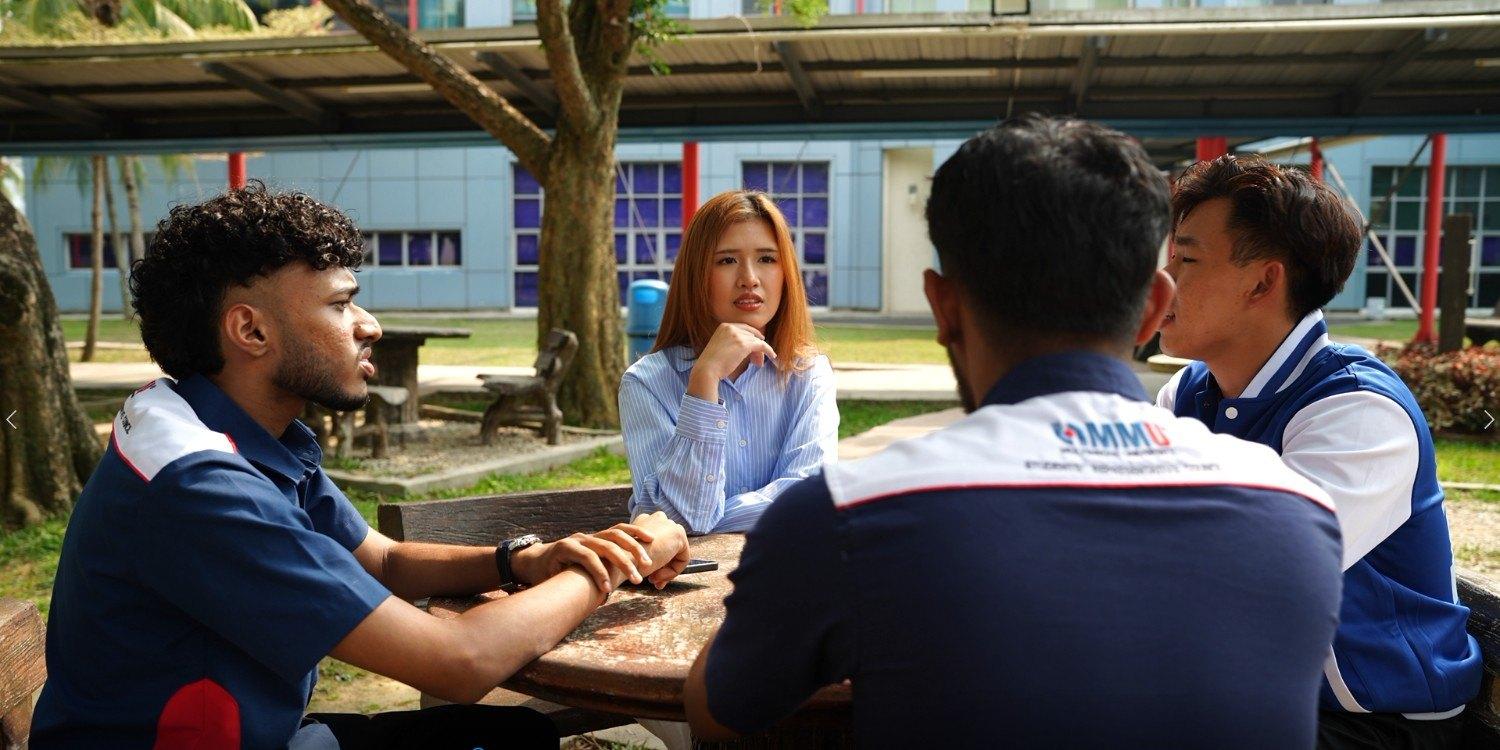
- A Student Representative Council (SRC) does more than organise university events. SRC members represent students, communicate their concerns to university management, oversee budgets and manage campus initiatives, taking on responsibilities similar to those in a professional workplace.
- Student leadership helps develop practical skills that employers value. From stakeholder management and negotiation to conflict resolution and decision-making, SRC members gain experience handling real responsibilities while studying.
- Managing university initiatives prepares students for workplace challenges. SRC members learn to work within budgets, meet deadlines, manage competing priorities and take accountability for their decisions, building skills relevant to corporate careers.
- Joining student leadership can strengthen your CV beyond academic achievements. Although balancing council responsibilities with studies can be challenging, students gain practical leadership experience, confidence and real examples of their abilities to share during job interviews.
Ask most people what a student council does, and you'll hear the same shortlist: plan events, hand out free merch, pose for orientation photos. We at Afterschool wanted to see what actually happens behind that, so we spent a day with the Student Representative Council (SRC) team at Multimedia University (MMU), following one exco member from the morning rush to the afternoon crunch. We expected event planning. What we got looked a lot more like a day inside a small company.
What Does a Student Representative Council (SRC) Actually Do?
An SRC is the official, student-elected body that represents students to university management. At MMU, representatives are voted in every year to become the voice between thousands of students and the people who run the campus. The job breaks into three parts:
- Student advocacy: collecting concerns and pushing them up to management.
- University liaison: acting as the official channel between students and administration.
- Event and budget oversight: planning campus-wide initiatives and managing the money behind them.
Events are the visible 10 per cent. The rest, however, is an experience that can significantly boost your resume..
9:00 AM – The Campus Walkthrough: Stakeholder Management in Action
The day starts on foot. Every few minutes, someone stopped our host: a student with a facilities complaint, a club rep chasing funding, a junior needing advice. Each needed a different approach. The frustrated student needed to feel heard. The club rep needed a clear answer. Same person, three modes, ten minutes.
That's stakeholder management, even if nobody on campus calls it that. Active listening and feedback-gathering are not soft skills. They're the foundation of how account managers and team leads operate all day.
11:30 AM – Inside the Council Room: Real Responsibility Under Pressure
By late morning, we sat in on an internal discussion: a campus-wide initiative, a fixed budget, a deadline that wasn't moving. We tried to contribute and quickly realised how out of our depth we were. Every clever idea ran into a constraint we hadn't considered.
That's the part nobody warns you about. Student leadership isn't about having good ideas. It's about having ideas that survive reality, then owning the result. That's real-world accountability, years before most people meet it at work.
How Joining the SRC Prepares You for the Corporate World
A degree gets you shortlisted. The evidence that you can operate with people gets you hired. Here are leadership skills the SRC builds:
- Diplomacy and negotiation: Pitching to management is negotiation with real stakes.
- Crisis and conflict management: Handling anxious or competing groups under pressure.
- Project and budget management: Owning a timeline, a budget, and a team, then being judged on delivery.
None of these show up on a transcript, but are revealed in interviews.
Is Joining Student Leadership Worth It for University Students?
Yes, if you go in with your eyes open. Balancing SRC work with academics is genuinely hard. But you graduate with a degree plus management experience, your resume becomes a story instead of a list, and you build confidence that compounds. Once you've made your case to university management, a job interview feels a lot smaller.
The Takeaway
University is an incubation space: a low-risk place to lead, fail, recover, and grow before any of it hits a payslip. If you're on the sidelines, look into the clubs, committees, and leadership opportunities at MMU and universities like it. The most valuable thing you build at university might not be your GPA. It might be the person you become while chasing it.


Students
© 2009 - 2026 TIMES MEDIA SDN. BHD. (955976-P). All Rights Reserved.