Does Harvard Really Decide in Six Minutes? What Actually Happens to Your Application

Afterschool Team
November 5, 2026
Does Harvard really review applications in six minutes? Discover how its admissions process works, what officers look for and how Malaysian students can prepare.
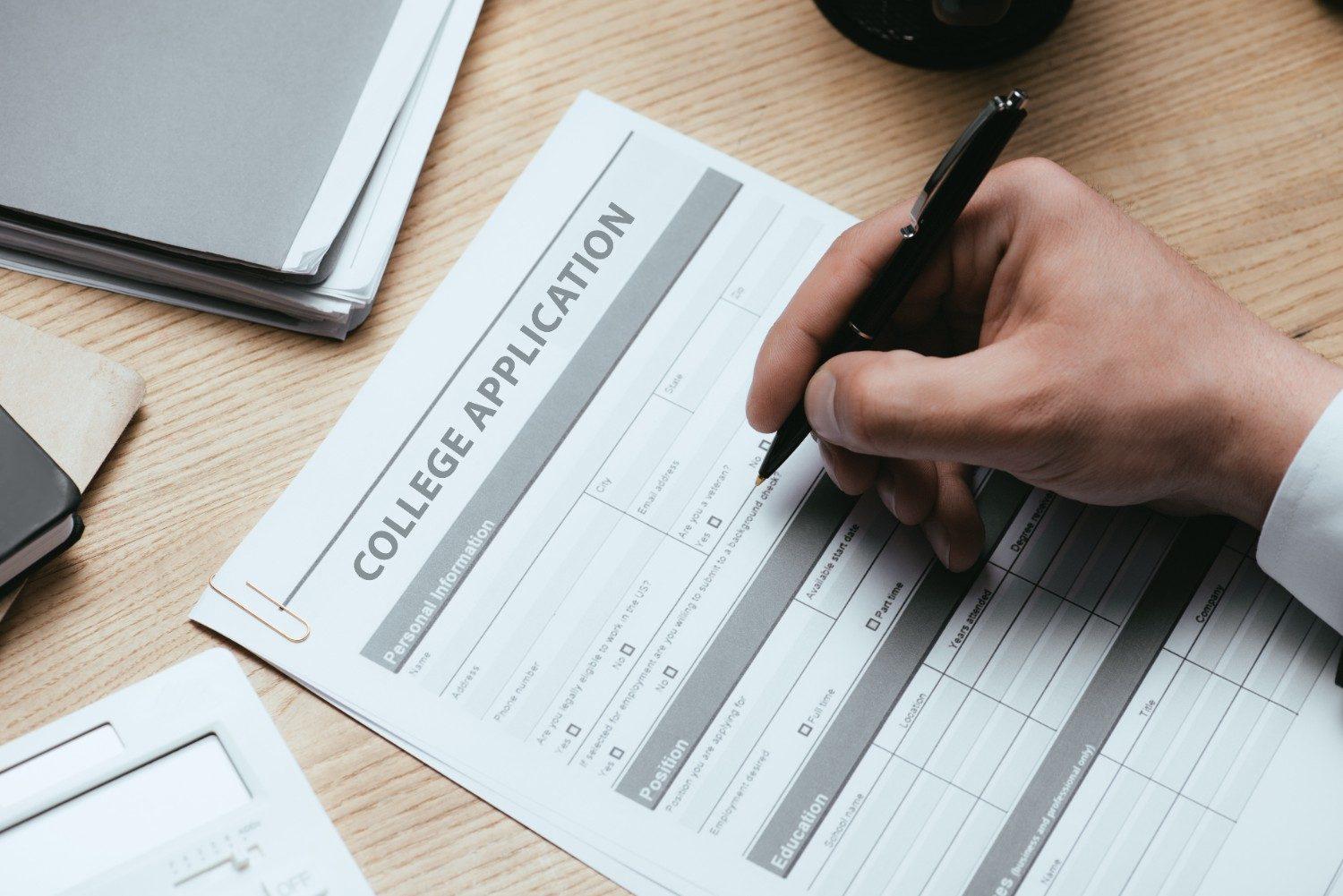
- Harvard's admissions process involves more than a six-minute application review. While some selective American universities reportedly spend only a few minutes on initial reviews, Harvard applications can pass through multiple readers, subcommittees and a full admissions committee before a final decision.
- Harvard evaluates students beyond academic grades and examination results. Admissions officers consider extracurricular activities, personal qualities, school support and other achievements, while teacher recommendations and interviews can provide additional insight into an applicant's character and potential.
- Strong university applications are built long before the submission deadline. Academic performance, meaningful extracurricular involvement and relationships with teachers develop over time. Students should use their pre-university years to build a strong academic and personal profile.
- Malaysian students can use their pre-university education to prepare for competitive international admissions. Programmes such as A-Levels at KYUEM offer opportunities for academic development, university application guidance and interview preparation, although admission to highly selective universities like Harvard is never guaranteed.
Ask around, and you will hear some version of the same claim: an admissions officer at a top university spends about six minutes on your application. Six minutes to weigh up years of exams, essays and extracurriculars.
There is something behind it. In 2018, the Wall Street Journal reported that several selective American colleges had started splitting applications between two readers to cope with rising numbers. Bucknell University said a two-person team took six to eight minutes per file. The University of Pennsylvania had reported about four.
Harvard has not published a comparable figure. What it has revealed, largely through a 2018 federal court case over its admissions policies, suggests a stopwatch is the wrong way to think about it.
One application, many readers
According to trial documents reported by The Harvard Crimson, an application to Harvard passes through several hands. Admissions officers read files from an assigned geographic region and rate each applicant on academics, extracurricular activities, athletics, personal qualities and something called “school support”. A second reader then reviews the file.
Strong applications move on to subcommittees of five to eight people, which “may discuss a single case for half an hour or even more before voting”. Those that survive go before a full committee of about 40.
The first read may well be brisk. The decision is not.
The parts you don’t write
What many students overlook is how much of the file is written by someone else.
Harvard asks for two teacher recommendations, from teachers “in different academic subjects who know you well”, plus a secondary school report from a counsellor or school leader. Some applicants are also invited to an interview with one of Harvard’s alumni volunteers. Interviews are assigned at the Admissions Committee’s discretion, and Harvard says most areas cannot interview every applicant. The interviewer does not see your application, only your name, contact details and school, so the conversation rests on you alone.
None of this can be produced the week before a deadline. A teacher can only describe a student they have actually taught, watched argue a point in class or seen recover from a poor mark. However long the first read takes, it does not decide your future. It reveals what you have spent the last two years becoming.
Testing matters again, too. Harvard reinstated its SAT or ACT requirement starting with applicants to the Class of 2029. A-Level results, actual or predicted, are accepted only in exceptional cases where those tests are not accessible.
What this means after SPM
For Malaysian students, the years after SPM, whether spent in Form Six, matriculation, foundation or A-Levels, are usually when these academic relationships are formed.
At KYUEM, a fully residential college in Lembah Beringin, Selangor, that period is spent on the Cambridge A-Levels, either over 24 months from July or on an accelerated 18-month track from January. The college provides guidance for university applications, including workshops and mock interviews. In 2025, the two Malaysians reported admitted to Harvard College’s Class of 2029 were both KYUEM A-Level students: Athena Siow, intending to study government on the data science track, and Namira Lee Tzu, intending to study environmental science and engineering.
That is not a formula, and KYUEM itself states that university placement is not guaranteed. But it points to something useful for anyone eyeing a selective university abroad. The application is a snapshot taken at the end. Most of what goes into it, from your grades to the teacher willing to vouch for you, is built long before you press submit.


Students
© 2009 - 2026 TIMES MEDIA SDN. BHD. (955976-P). All Rights Reserved.