Whiteboards, Hard Hats and Everything in Between: A Civil Engineering Story

Munirah Ahmad Niza
December 9, 2025
Civil engineering starts in the classroom but comes alive on site. Professors teach the theory and skills, while engineers turn them into real projects that connect people and improve communities. It’s challenging, teamwork-heavy, and rewarding. Basically: learn, build, and leave your mark!
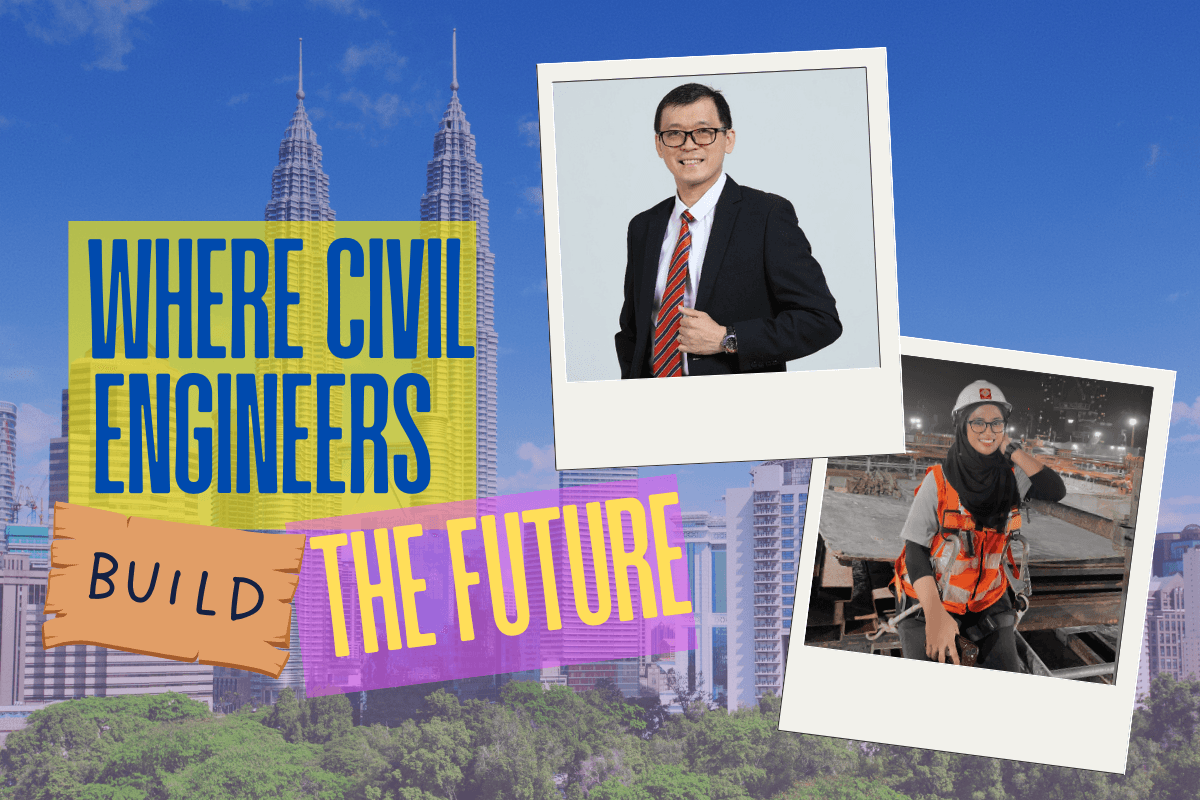
Civil engineering starts in the classroom, but real learning happens on-site.
Discipline, problem-solving, and teamwork are essential.
Communication skills are just as important as technical know-how.
Always keep learning! Theory + practice = a strong foundation.
Where Civil Engineers Build the Future
Before civil engineers stand under the sun or sign off on a structure, they all start somewhere much simpler: sitting in a classroom, figuring things out one lesson at a time.

But once they step into a real project, those lessons suddenly take on weight and meaning.
That’s where classroom basics turn into real-world impact, and where the stories of Professor Yuen and civil engineer Nur Fatin Alia intertwine.
Together, their journeys reveal how civil engineering begins in a lecture hall, but is ultimately perfected in the real world.
The Professor: Preparing Students for a Reality They Cannot Yet See
For Associate Prof. Ir. Ts. Dr Yuen Choon Wah, teaching wasn’t exactly the path he actively sought, but inevitably became the one he grew to love and commit to.
After graduating with a Civil Engineering degree, he had two paths to choose from: enter the industry or pursue his postgraduate studies.
As luck would have it, a timely tutor position at his university presented itself, allowing him to earn income while continuing his education. Eventually, he earned a Master’s and a PhD from the University of Malaya.
“My professors were wise people who tirelessly guided me, and they are my role models. Today, I gladly share the knowledge they gave me with young engineers, hoping to nurture more people who will serve the nation,” he shared.
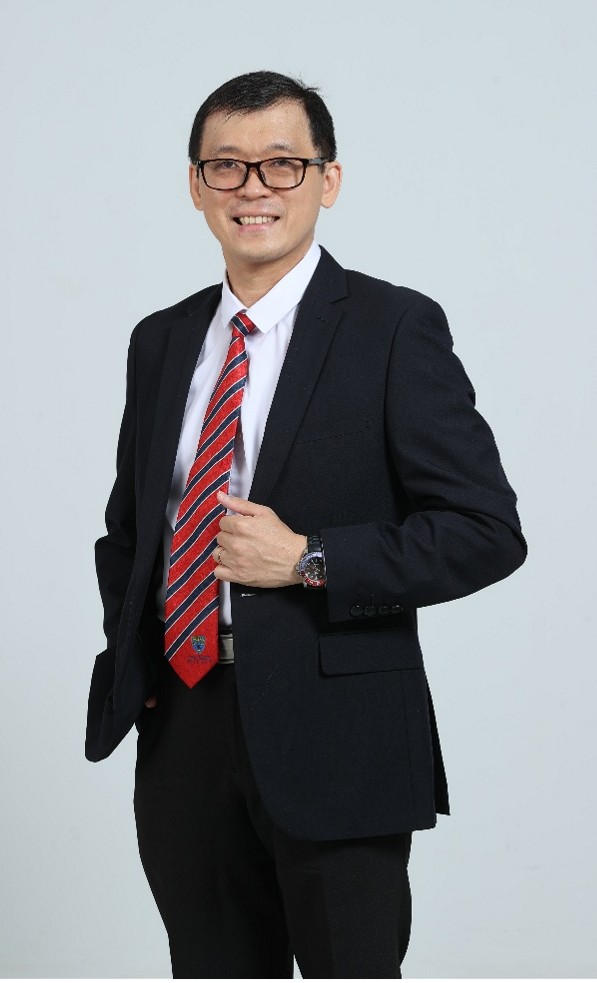
But teaching civil engineering isn’t just about equations and concrete. It’s about preparing students for the outside world.
He constantly reminds his students that engineering life isn’t easy; it’s challenging and demanding.
“Civil engineers work under the hot sun, rush during peak project periods and deal with pressures from superiors, clients and authorities,” he added.
Civil engineering education has also transformed drastically over the last few decades.
Once reliant on manual calculations, drawing boards, pens and paper, engineering students today use advanced modelling, design and BIM software.
What’s more, AI has also become a powerful tool for research and design, but according to Professor Yuen, it’s also a double-edged sword.
“Technology makes engineering education more efficient, but at the same time, students may over-rely or misuse it. We now design assessments that require them to engage with real-world data.
“As a traffic engineer myself, I give actual traffic problems and ask students to collect real traffic data on site.”
Technology has, without a doubt, elevated learning, but discipline ensures mastery.
The Engineer: Turning Classroom Lessons into Structures That Serve a Nation
On the other side of the classroom, surrounded by construction sites and rising buildings, civil engineering was a career that began shaping long before Nur Fatin Alia, a civil engineer at Gadang Engineering (M) Sdn Bhd, even realised it.
What seemed like an ordinary backdrop in her childhood became the foundation of her life’s passion: to pursue a path that doesn’t just benefit her, but others around her, too.
“As I grew older, I began to notice how much engineers improve the world around us. New roads, bridges, buildings, and public spaces all make life easier and more connected,” she shared.
“That’s when I realised how powerful this field is, how it brings people together, creates safer places and improves everyday life. I, too, wanted to be part of that; the people who build, solve problems and make things better for the next generation.”
That spark became her calling.
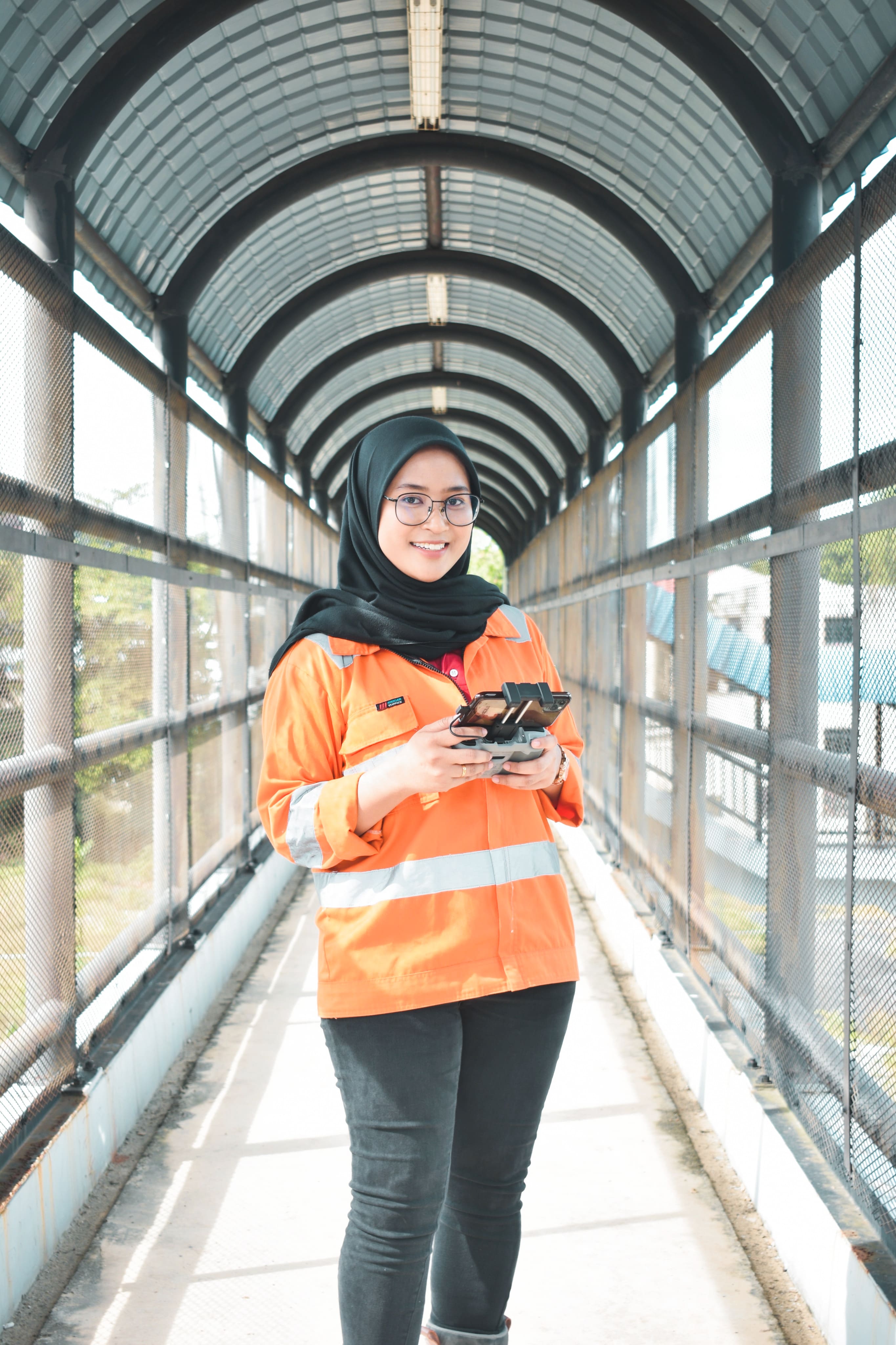
But her real training truly began when she stepped into her first project, the Johor Bahru-Singapore Rapid Transit System (RTS) Link Project, the same project she still works on today.
Everything was different from classroom learning.
“The pace was fast. The coordination was challenging. I had to ask many questions and adapt quickly. It wasn’t always easy, but the challenges helped me grow, become more confident, and understand my role better,” she reflected.
Today, she wears many hats as a site engineer: managing stressing, concreting, structural works, architectural coordination, shop drawings, factory visits, NCRs, WIRs, and technical meetings, all while supporting the project manager through complex project milestones.
Civil engineering isn’t just about “building things”, she stresses.
“It involves planning, problem-solving, coordination, calculations, approvals, safety and quality control. Every detail matters because people depend on the final structure. It’s a huge responsibility.”
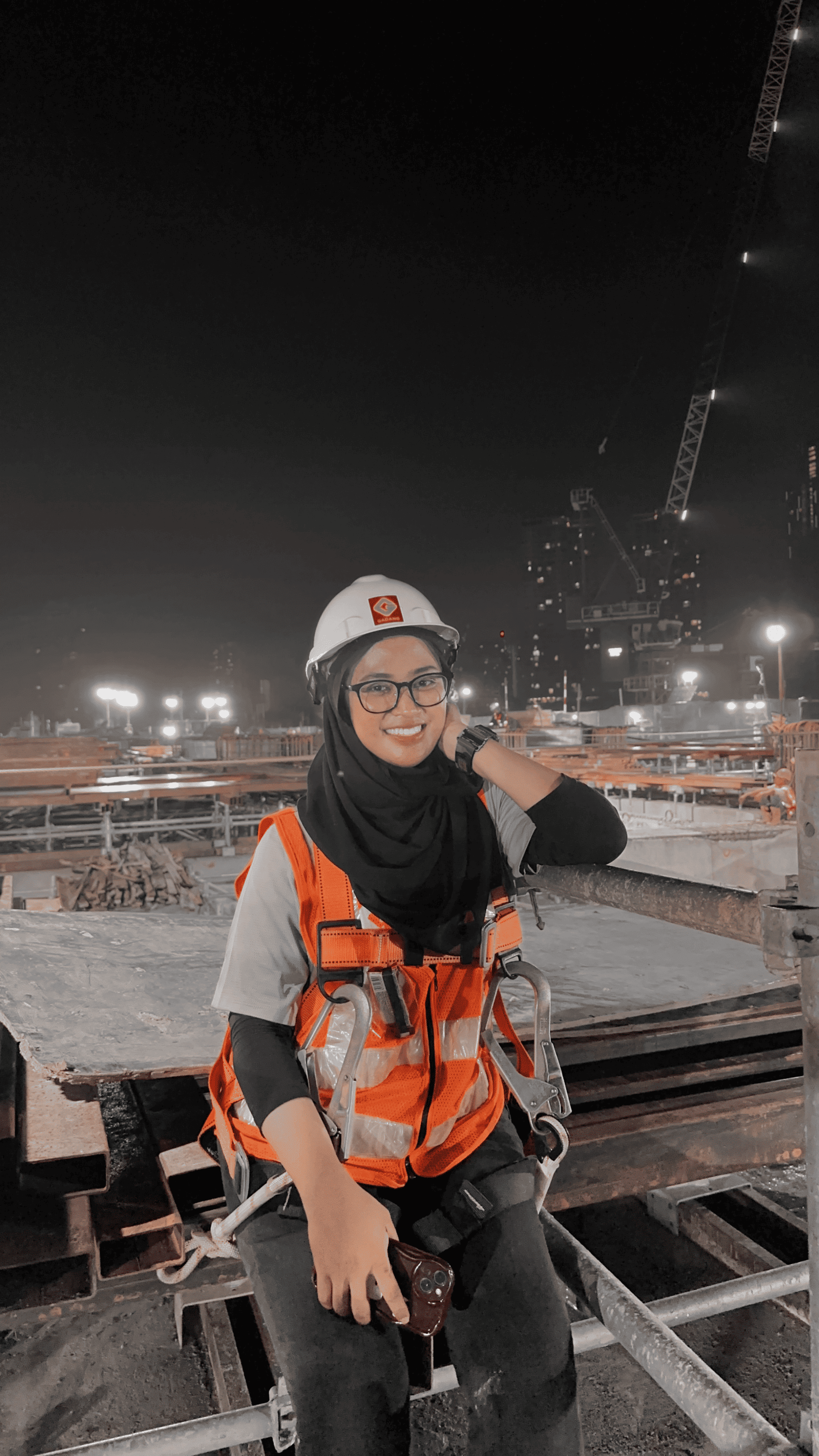
“I’m proud to work on this project because I can see the impact it will have on the community. Reducing travel time, improving safety and connecting people, being part of something that directly benefits so many people makes me feel that my work truly matters.”
Her success, she insists, comes not just from her own efforts but from the team around her. “I couldn’t do it without the dedication of my colleagues. Teamwork is everything.”
Where their stories meet: the bridge between classroom and construction
Though their paths differ, both Professor Yuen and Fatin emphasise the same foundations that turn students into engineers: the habits and experiences that begin in a classroom and are tested on real sites.
1. Discipline 🫡
“The more they work, the more they learn.”
Professor Yeun believes that discipline is what helps students focus on their goals and motivates them to work hard to achieve them.
For Fatin, she echoes this through her daily practice on site. Every day, she adapts to fast-moving changes, unexpected issues and high-stakes decisions. Her discipline shows up in her willingness to ask questions, learn on the job and grow from every challenge thrown her way.
“Knowing that the final result will benefit so many people and improve daily life makes all the challenges and long timelines worthwhile,” she said.
2. Communication 🗣️
Beyond technical skills, Professor Yuen believes communication sets great engineers apart.
“A great civil engineer must communicate clearly with everyone, including authorities and the public, and work well with different groups,” he said.
Clear communication prevents problems, builds trust and keeps large teams moving in the same direction.
On-site, Fatin practices this skill in real time.
She coordinates with subcontractors, liaises with authorities and collaborates across multiple teams.
“Projects involve many people and every role matters.”
To her, communication isn’t just a “soft skill”; it’s what keeps the project running smoothly from day to day.
3. Real-world exposure 🌎
Professor Yuen works hard to ensure students don't just learn theory but also experience the industry before entering it.
Through guest speakers, industry-sharing sessions, and site visits, he shows them what engineering really looks like: the pace, the pressure, and the responsibility.
Fatin stands on the other end of that experience.
She brings everything she learned in university into real-world application, navigating on-ground challenges and applying what she once learned in theory.
A Message to Malaysia’s Future Nation-Builders
For Professor Yuen, he hopes his students stay focused on their goals, work hard and maintain the hunger to keep learning, whether through self-study or guidance from seniors.
A good attitude, he says, will carry them further than they realise.
Fatin’s message mirrors the same spirit, but from the heart of the construction site itself.
“Never ever stop learning. Be disciplined. Civil engineering is challenging, but incredibly rewarding. Everything you build contributes to a better-connected, safer, and stronger future for everyone.”
And her final reminder for the next generation of engineers?
“Construct your dream, design your legacy.” ✨
Got questions? Click here to chat with one of our counsellors on WhatsApp and get tailored advice!
Your Premium trial has ended


Students
© 2009 - 2026 TIMES MEDIA SDN. BHD. (955976-P). All Rights Reserved.