Explorers of the Sea: The Marine Biologists

Ainul Fatihah
December 8, 2025
Marine biology is more than mythical mermaids and pretty beach views. It is a demanding, science-driven field where professionals like Alvin Chelliah and Muhammad Danial Hakim dedicate their days to conserving marine ecosystems, restoring coral reefs, protecting sea turtles, and using technology such as drones, AI, and GPS mapping to monitor ocean health. Their work blends field exploration with lab analysis, community education and conservation management. Despite unpredictable weather, tough conditions and high stakes, marine biologists play a crucial role in safeguarding the oceans, supporting coastal communities and preserving the planet’s future.
- Marine biologists balance fieldwork, lab research and community engagement to protect fragile ocean ecosystems.
- New technology, including drones, AI and mapping tools, helps scientists track reef health, monitor wildlife and accelerate conservation work.
- Ocean conservation directly impacts climate stability, food security and the livelihoods of coastal communities, making marine biology more important than ever.
"Maybe mermaids exist. Or maybe they don’t?"
This whimsical notion may have danced through our minds, but for marine biologists like Alvin Chelliah and Muhammad Danial Hakim, the real wonders of the ocean are far more fascinating.
While mermaids remain mythical, the mysteries of the sea, its ecosystems, creatures and environmental challenges are anything but.

The ocean covers over 70% of our planet, yet more than 90% of it remains unexplored, leaving marine biologists on the frontlines of a vast, uncharted world. As these explorers dive deep into their research, they uncover the secrets of the underwater world and fight to preserve its delicate balance.
But what exactly do they do, and what’s it like to live and work in this field? Let’s dive in.
What Marine Biologists Really Do
Imagine waking up to a day filled with saltwater air, the promise of discovery, and the responsibility of ensuring that one of the Earth’s most precious resources, its oceans, remains healthy for generations to come.
The life of a marine biologist is not about frolicking with dolphins (though there’s certainly a bit of that, too) but involves a deep dive into molecular genetics, ocean ecology and marine technology.
Alvin Chelliah, Chief Programme Officer at Reef Check Malaysia, explains that his work focuses on conserving and sustainably managing marine ecosystems. "The goal is simple: to make sure marine resources continue to benefit both marine life and the people who depend on them," he says.
While most people think marine biology involves endless diving trips, the reality is a delicate balance of fieldwork, lab research and data analysis. Whether studying plankton to understand oxygen production, monitoring coral reef health, or measuring the effects of ocean acidification, marine biologists juggle many tasks.
It’s about understanding how each small part of the ocean's ecosystem plays a role in maintaining the health of the entire system.
From Reefs to Research Labs: A Day in the Life
For marine biologists like Alvin and Danial, a typical week can feel like a mix of adventure and desk work. "On dry days, I’m usually teaching local communities about sustainable practices, conducting surveys, and analysing data," says Alvin. "On wet days, it's diving deep to collect information and working hands-on with coral health."
Danial’s job, as Junior Environmental Officer at The Taaras Beach & Spa Resort, takes him to the frontlines of marine conservation. He is responsible for maintaining the resort’s coral nursery and overseeing conservation projects like sea turtle protection and coral restoration.
“I spend my days on the beach, ensuring that our conservation programs are effective,” says Danial, his eyes lighting up when he talks about the sea turtles he’s helped save. "There's nothing quite like seeing a baby turtle released back into the ocean after months of conservation efforts."
Technology Beneath the Surface
While marine biology has always been about observation, technology is now changing the game. Alvin shares, "With advancements in AI, drones, and data mapping, we're able to monitor reef health more efficiently and accurately."
At Reef Check Malaysia, drones and AI help track coral bleaching and assess reef health quickly, allowing scientists to respond to changes faster than ever before. These technologies also play a significant role in monitoring whales, combating illegal fishing, and analysing ocean currents.
Danial, too, is no stranger to the power of technology. "We use GPS and mapping software to monitor coral growth and out-plant new fragments," he explains. "The integration of technology is a game-changer for conservation work."
The Challenges Behind the Beauty
Despite the allure of the ocean, marine biology is not always as dreamy as it may sound. "It's easy to think that marine biologists spend all their time on tropical beaches," Danial admits, chuckling. "But the reality involves long hours, challenging fieldwork, and a constant battle with the elements."
Alvin recalls a particularly harrowing experience while conducting reef surveys in Brunei. "The currents were incredibly strong, and our boat broke down far from shore.
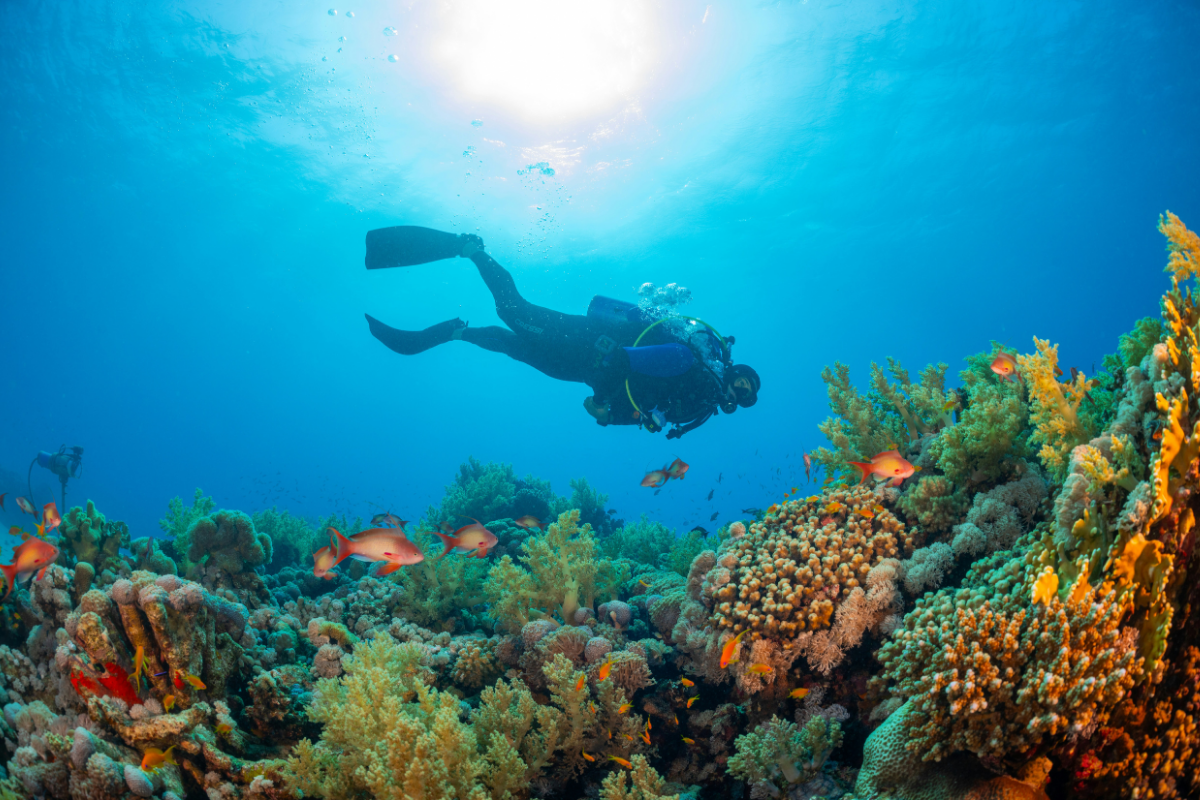
We were adrift until we finally got a signal to call for help," he says, remembering how the weather and tides often dictate the success of their work.
Why Marine Biology Matters Now More Than Ever
The oceans do more than provide a playground for marine biologists; they regulate our climate, produce oxygen, and absorb carbon dioxide. As Alvin explains, "Marine ecosystems play a crucial role in food security and protecting our coastlines from erosion. If the oceans are in trouble, so are we." With threats like climate change, overfishing, and plastic pollution, marine biologists' research is more urgent than ever. They are the stewards of the seas, guiding conservation efforts to protect the health of our planet.
Danial echoes this sentiment, highlighting how ocean health directly affects communities like those on Redang Island, where the resort is located. "A healthy ocean means more fish for local fishermen, more tourists enjoying the beauty of the reefs, and better livelihoods for those who rely on marine resources," he says. "When we preserve the ocean, we preserve life."
Advice for Aspiring Marine Biologists
For students passionate about the ocean but unsure where to start, both Alvin and Danial offer practical advice. "Get involved. Volunteer with marine conservation groups or local initiatives," says Alvin. "Hands-on experience will give you a feel for the work and help you decide if this is the right career for you."
Danial, a graduate of University Malaysia Terengganu (UMT), recommends pursuing a degree in marine biology from a university that offers fieldwork opportunities. "UMT was crucial for my career," he shares. "Their focus on marine research and practical experience gave me the foundation I needed to get into this field."
Marine biology is a dynamic, rewarding and vital career path that connects science with sustainability. As Alvin and Danial’s stories illustrate, marine biologists don’t just study the ocean; they work tirelessly to protect it for future generations.
For those who are passionate about the environment and ready to dive into a meaningful career, marine biology offers an exciting and essential opportunity to make a real-world impact.
Got questions? Click here to chat with one of our counsellors on WhatsApp and get tailored advice!


Students
© 2009 - 2026 TIMES MEDIA SDN. BHD. (955976-P). All Rights Reserved.