Empowering the Next Generation of Leaders in Engineering, Computer Science, and Business

Afterschool Team
December 26, 2025
Industry 4.0 is changing how the world works, and the future belongs to those who can adapt, innovate, and lead. From artificial intelligence to data-driven decision making, today’s careers demand more than textbook knowledge. This article explores how students at the University of Southampton Malaysia gain real-world skills, industry exposure, and the mindset needed to thrive in engineering, computer science, and business, and how these experiences prepare them to step confidently into tomorrow’s digital economy.
You acquire Industry 4.0 skills that employers are seeking now. You learn AI, data analytics, IoT, robotics, and cybersecurity in practical ways. You do not just study theory. You apply it to real problems from day one at the University of Southampton Malaysia.
You build adaptability through hands-on and cross-disciplinary learning. You work with students from engineering, computer science, and business. This trains you to communicate clearly, think more broadly, and pivot your career, just like graduates who transitioned from mechanical engineering into software and cloud roles.
You graduate with strong industry exposure and a real career advantage. You learn through live projects, internships, and workshops with global companies like Dyson. This experience boosts your confidence, strengthens your CV, and helps you secure jobs faster in competitive tech-driven industries.
The world is changing faster than most of us can keep up with, especially in the tech world. We're living through what’s known as Industry 4.0. It's a revolution where artificial intelligence, IoT, robotics, cybersecurity, and data analytics dominate everything. If you want to survive in this digital age, you need to adapt. But if you want to thrive, you need to be at the cutting edge, armed with the skills to lead, innovate, and shape the future. And that’s exactly what the University of Southampton Malaysia (UoSM) is preparing students to do.
Preparing Students for the Future of Smart Technologies and Data-Driven Innovation
Cars, homes, and businesses all run on data. Machines learning from themselves, making decisions faster than any human could. We’re living in an age where the digital world and the physical world are no longer separate – they’re intertwined. And guess who’s running the show? People who understand how to harness and drive these technologies forward.
At UoSM, students don’t just study these technologies in isolation; they learn how to integrate them into the real world. Whether it’s the growing importance of data-driven decision-making, the rise of AI-powered systems, or the need for cybersecurity in a world that’s constantly connected, UoSM ensures its graduates are prepared for all of it.
“AI isn’t just some futuristic concept; it’s happening now,” says Professor Dr Suan Hui Pu, Head of School at UoSM. “At UoSM, we equip our students with a curriculum that covers everything from automation to data science, and beyond. It’s about making sure they don’t just know these technologies – they use them.”
Shaping the Future: How UoSM Prepares You for a Tech-Driven World
UoSM’s curriculum isn’t some generic, cookie-cutter approach. It’s designed to meet the needs of Industry 4.0 by balancing technical expertise and adaptive skills. This balance is key because the world of work is no longer about knowing everything; it’s about how quickly you can adapt, collaborate, and innovate in the face of new challenges.
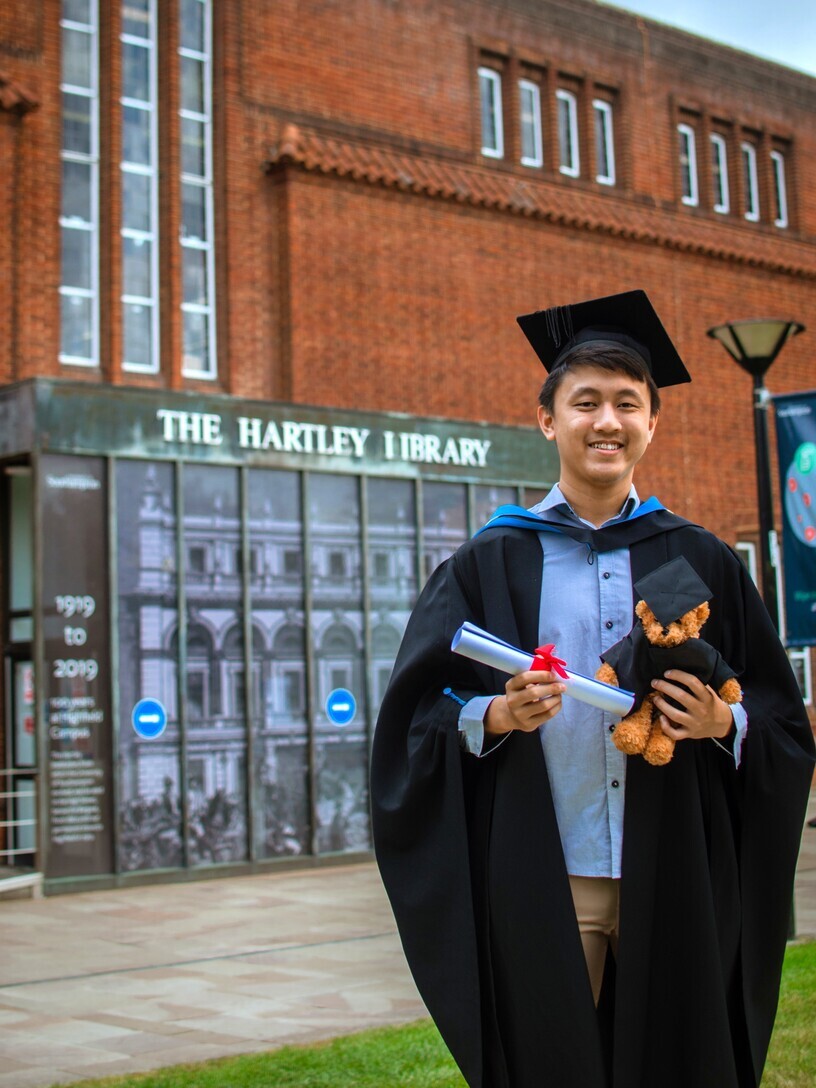
For Wo Yew Ben, a 2017-2021 graduate of UoSM’s Master of Mechanical Engineering and Mechatronics (2+2) programme, this approach was crucial in preparing him for his current role as a Senior Software Engineer at Astro. “When I was at UoSM, I wasn’t just learning how to build robots or design mechanical systems. I was learning how to work with other people from different disciplines, communicate complex ideas, and solve problems in innovative ways. That’s the kind of training that made me ready for the real world.”
Wo’s education wasn’t just about textbook knowledge. It was about adapting and experimenting in real-time. UoSM doesn’t just teach students about AI and robotics; it integrates these fields into every part of the curriculum. Whether it’s working on IoT-driven projects in engineering or building AI solutions in computer science, students aren’t just sitting in lectures; they’re actively creating with the latest technologies.
And it doesn’t stop there. UoSM students aren’t just trained to use the tools; they’re encouraged to innovate and build something new. “What really set me apart was UoSM’s focus on interdisciplinary learning,” Wo shares. “When you work on a project with people from different disciplines, you start seeing things from different perspectives. It’s not just about building a machine; it’s about creating a solution that actually works for people.”
Career Prospects for Graduates: From Learning to Leading
So, what’s the payoff? The job market today is more competitive than ever, and employers aren’t just looking for graduates who know how to operate machinery or write code. They’re looking for innovators, problem-solvers, and team players. Industry 4.0 is all about adaptability, and UoSM’s graduates are well-prepared to handle it.
Take Ben Wo’s career, for example. After starting with mechanical engineering, he smoothly transitioned into software engineering, something he never saw coming. The skills UoSM gave him weren’t just about being an expert in one field, but about being able to pivot and apply them across different industries. “I went from working with gears and metal to coding and developing software solutions. UoSM didn’t just prepare me for mechanical engineering; it also prepared me for life. It prepared me to think beyond boundaries,” he says.
This ability to pivot isn’t a coincidence. UoSM’s industry partnerships, mentorships, and collaborations ensure that students gain direct exposure to the demands of the job market. Dyson, for example, holds workshops for UoSM students, offering a behind-the-scenes look at what it takes to be successful in a global engineering company. These workshops aren’t just informative – they’re transformative, allowing students to understand how innovation happens at the highest level.
“The workshops with industry giants like Dyson really opened my eyes,” Ben Wo explains. “It wasn’t just about the technical stuff; it was about understanding how professionals approach problems, adapt to change, and stay innovative.”
UoSM’s Unique Approach to Preparing Students for the Future
Now, let's talk about the real magic: the hands-on learning. UoSM isn’t just about lectures and assignments. It’s about real-world projects that mirror the challenges students will face in their careers. Whether it’s designing a robot, building a software application, or analysing big data, UoSM students are given the freedom to experiment, build, and fail (and then try again).
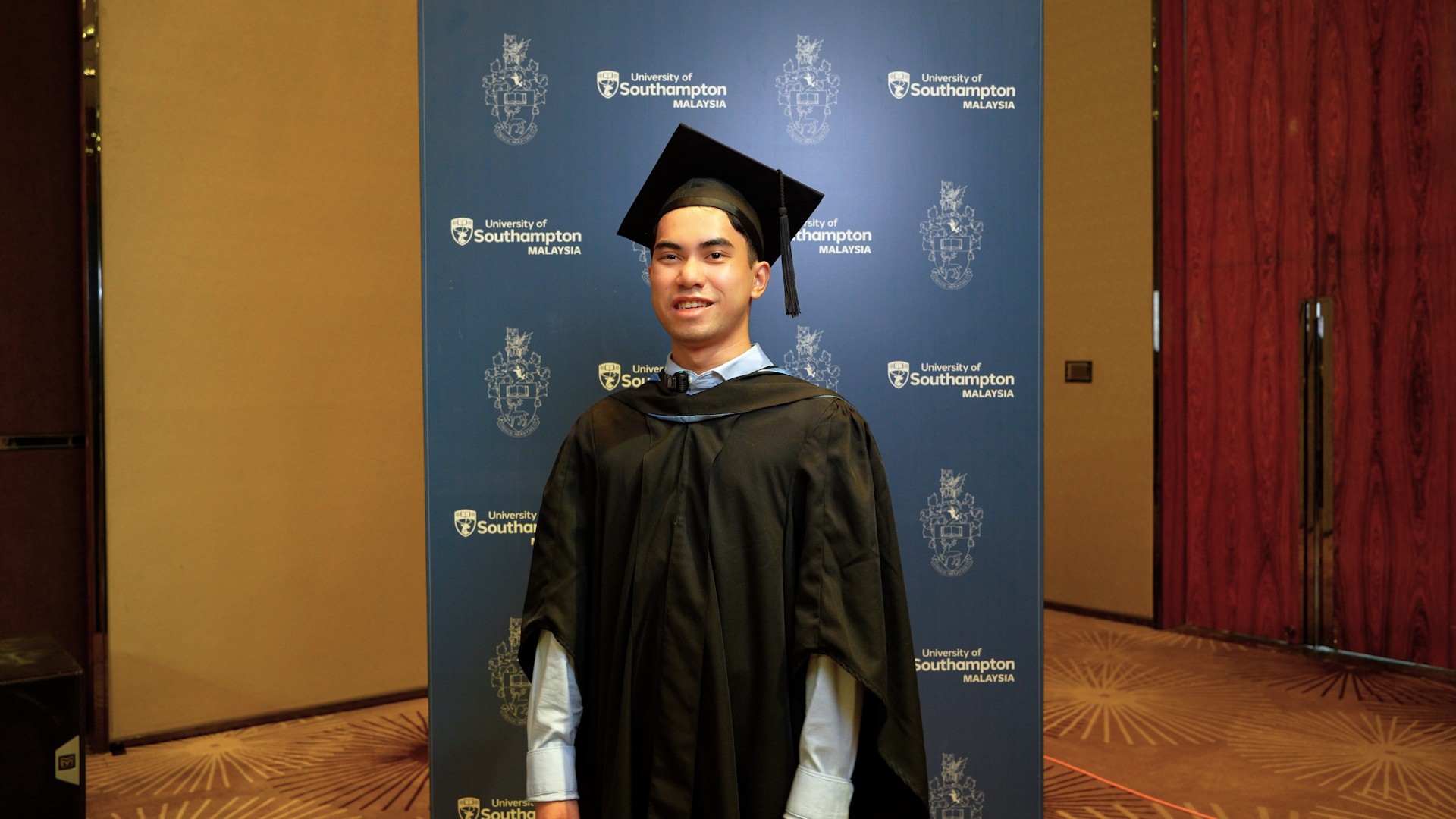
Arun Prakash, a Computer Science graduate from UoSM, attributes his smooth transition into his role as a Cloud Engineer at Geeks on Tap to the programme's practical approach and focus on real-world applications. Graduated in July 2025, Arun found that the mix of technical expertise and collaborative skills he developed at UoSM gave him an edge in the job market. “Having UoSM on my resume definitely opened doors. The university’s strong reputation gave me a competitive advantage when applying for jobs,” he shares.
Ben Wo had a similar experience. For him, it was a Year 2 project where he and his team designed an automated plant-growing system. “We weren’t just building prototypes; we were creating something that had real-world functionality,” Ben Wo recalls. Using sensors, wiring, and real-world engineering principles, Ben knew right then that robotics was his true passion. This practical, real-world application is a hallmark of UoSM’s curriculum, ensuring students are well-equipped to enter their chosen fields with confidence.
UoSM’s cross-disciplinary approach means that students from business, computer science, and engineering are often working together on projects, applying their unique skill sets to solve real-world problems. “Business students use AI to make data-driven decisions, while engineering students design the systems that run on that data. It’s all about creating real-world solutions through teamwork,” Professor Suan Hui Pu explains.
Shaping Tomorrow’s Innovators
What truly sets UoSM apart, however, is its deep-rooted connection to industry leaders. Students don’t just learn about the latest technologies; they engage with them directly through live projects, internships, and mentorships. Professor Suan emphasises this point: “Our strong ties with industry partners allow our students to apply their learning in real-world scenarios. Whether it’s working on an IoT project or attending career fairs, UoSM ensures that students are prepared for the fast-paced, constantly evolving workplace of Industry 4.0.”
Ben Wo agrees: “It was the internships and industry connections that really made me feel ready to dive into the professional world. The hands-on experience gave me the confidence I needed to walk into a job interview and feel like I belonged.”
UoSM: Your Launchpad into the Future
UoSM isn’t just preparing students for today’s world – it’s setting them up to lead the charge in tomorrow’s digital economy. Through hands-on learning, industry collaborations, and a curriculum designed for Industry 4.0, UoSM ensures its graduates are future-ready.
UoSM’s strong QS ranking and its reputation as the best UK university in Malaysia are not just about prestige – it's about giving students access to global-level education right here in Malaysia.
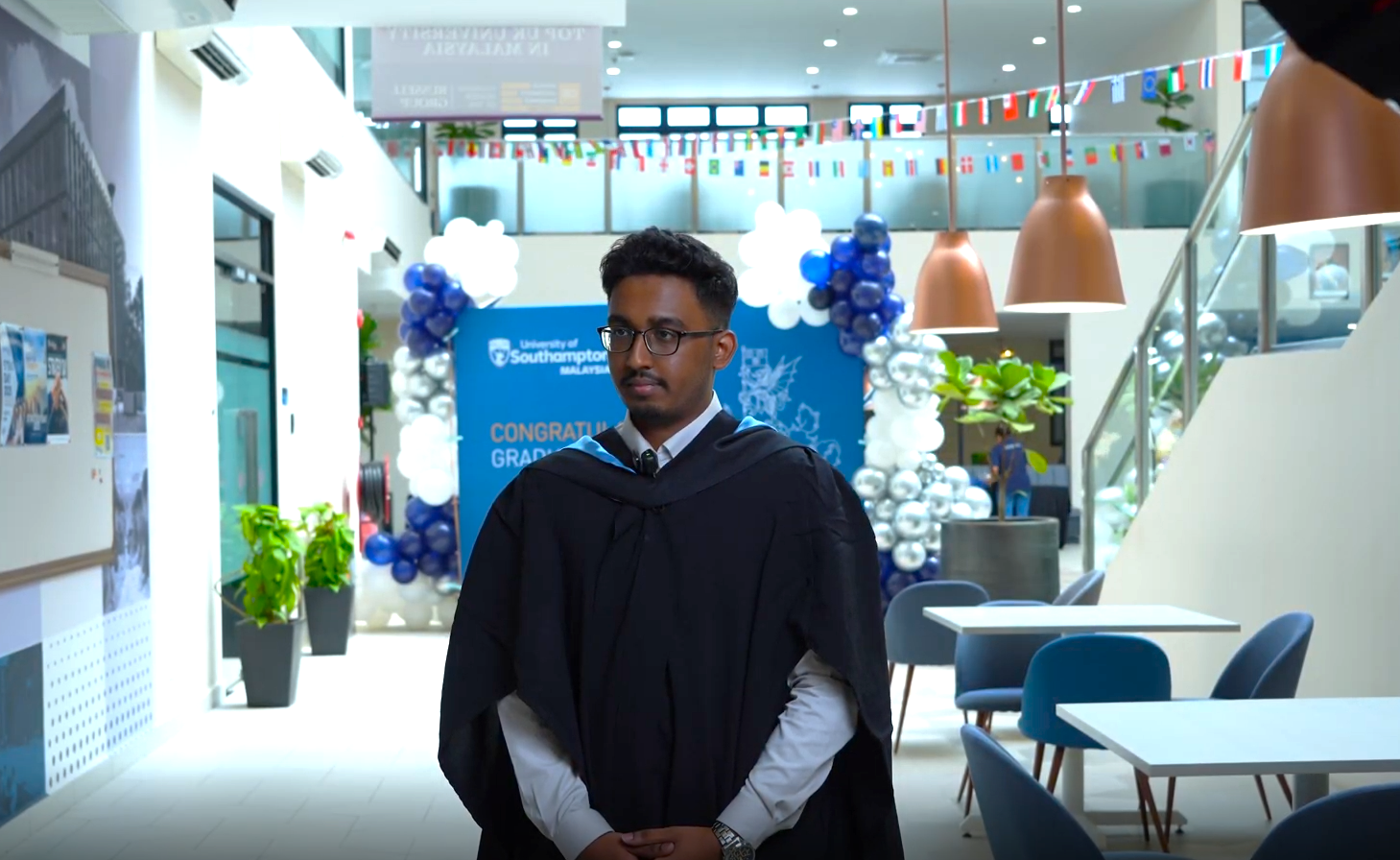
Shaai Rao, a computer science graduate, chose UoSM for its strong UK connection and was drawn to the foundation year for its promise of bridging the gap between Malaysia and the renowned UK campus. Despite being at a growing campus, Shaai quickly recognised that UoSM’s hands-on learning and industry ties would give him a head start in the world of technology.
Shaai emphasises the importance of resilience in the tech industry. "You might fail at times, but those failures are steps forward. Keep pushing, and you’ll enjoy the journey," Shaai advises. It’s this mindset of persistence and the ability to learn from failure that UoSM instils in its students, equipping them with the tools they need to thrive in competitive, ever-evolving fields such as Computer Science.
As for Ben Wo, his advice to others: “Take full advantage of everything UoSM offers; the projects, the workshops, the connections. They’re all there to help you succeed.”
With UoSM, you’re not just studying for exams; you’re studying to change the world.


Students
© 2009 - 2026 TIMES MEDIA SDN. BHD. (955976-P). All Rights Reserved.