Things Employers Look for in Fresh Grads

Dini Qistina Rashid
January 8, 2026
As a fresh graduate, entering the workforce is a significant step, which means that numerous challenges will arise along the way. Here are some tips and tricks for you to tick off the boxes for exactly what your employers are looking for!
- Proactiveness: Show eagerness and take initiative to learn new things.
- Communication Skills: Socialise with your colleagues, show interest in their lives, and be yourself.
- Critical-thinking and Problem-solving Skills: Before asking your superiors, look for answers on your own. Make deductions, conduct trial-and-error sessions, and research possible solutions.
- Respect: Respect everyone, regardless of their position and status.
Gen Zs are now the adults.
Just a couple of years ago, we were just naughty teenagers who skipped class for an extra 30 minutes of sleep. We were carefree, mischievous, and let’s be honest, a bit naive.
But things are changing now; we don’t get pocket money anymore, our younger siblings are off to college, and we’re on the precipice of becoming boomers! It’s a scary thing to embrace adulthood, especially when the older generations still see us as being unprepared for a myriad of things, and this includes working.
Not to worry, though, because this article will tell you all you need to know about the things employers look for in fresh graduates. To get more insights, we interviewed Hariati Jamaludin, a Human Resources Specialist who worked in PETRONAS’ Organisation Development department for over 20 years. Additionally, we scoured social media platforms like Reddit for more brutally honest truths about what employers really think of Gen Z. With these insights and advice, fresh graduates can live up to, and more so, exceed the expectations people have about us. And most importantly, stop being scared, intimidated, and self-conscious about starting work so that we can maximise our full potential and become valuable employees.
Proactiveness
As a fresh graduate, one question you should always ask yourself is this: “How can I show my eagerness to learn?”
It’s natural not to know everything yet–you’re only starting after all. That’s why it’s crucial to ask questions: it shows that you have the initiative to learn rather than expecting everything to be served to you on a silver platter. Employers look for people who can contribute meaningfully to the company, or at least want to. To do so, you need to gather as much information as you can, and only when you grasp the what, why, and how of the project will you be able to produce high-quality output.
This doesn’t just apply to projects; it also applies to interviews. An interview session is not solely about the employer assessing whether you’d be perfect for the job, but also whether the company aligns with your expectations. It’s not supposed to be a one-way conversation; it should be conversational, meaning the interviewee should ask questions too.
Here are the types of questions to ask in a job interview to show your keen interest and be informed about the position:
i. Jobscope: Specific duties and responsibilities
ii. Culture: Team dynamics and work culture
iii. Company: The company’s goals and aspirations
iv. Growth: Performance reviews and career development
While asking questions is a good thing, it is equally essential to be able to give answers too. Therefore, doing research should be a routine. Let’s say you work in a digital marketing company. There are certain variables that just can’t be controlled, be it a client’s content preferences or the economic climate. But what can be controlled is how your company reacts to these extraneous variables. Thus, you can help your company respond most effectively. For instance, researching the latest trends. Not only can your company’s output remain relevant, but with brush-ups and an assimilation of creative forces, it can be refined into what may just become the next big thing.
Yes, your superiors need to train and guide you to ensure you follow protocol and are aware of any particular workflows. But they can only do so much, and at the end of the day, you’re responsible for your own work. Proactiveness is key.
Communication Skills
In college, we work with people roughly our age. Group projects, presentations, and seminars are done in collaboration with our classmates or batchmates, so communication isn’t usually an issue. This is due to our shared life stages and communication styles, which ultimately lead to a certain level of rapport.
But in the workplace, having a big age gap with your colleagues is really common. This, in turn, precipitates incongruence or incompatibility, which may contribute to a disorganised, uncooperative, and even hostile work environment. And although work isn’t supposed to be inherently fun, the atmosphere should be conducive to ensure your work quality is up to par.
A user from Reddit posed a complaint about how Gen Zs tend to be in their own little bubble: “The Gen Z folks I’ve seen literally just get lost on their phones the moment they have any spare time. No engagement with others, no interest in anyone else. Even just speaking to them, I can see their faces drop. I don’t like office small talk either, but it helps you build working relationships and keeps things light between team members. No one is asking you to make your next best friend here, but just be more present.”
As this user reasons, you don’t need to become a confidant to your colleagues, but you do have to be a person they can have a relaxing and interesting conversation with. So, how do you achieve this?
Here are some non-work-related topics you can talk about with your colleagues:
i. What they did during the weekends, or what their plans are for the holidays
ii. The new movie that just came out in the cinemas
iii. Which restaurant they like to go to, or what food they enjoy
These are some examples of personal topics that have nothing to do with your work, but aren’t too personal that they’d feel uncomfortable discussing with a colleague. Employers appreciate people who can hold a conversation and are good at socialising; it shows that you are confident, approachable, and possess strong interpersonal skills, which are crucial for effective teamwork and client relations.
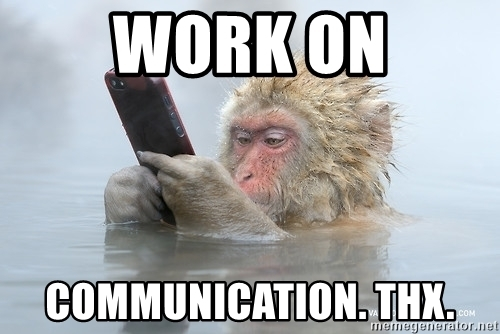
An underrated piece of advice people seem to overlook is to just be yourself. For example, when you try too hard to impress someone, it may come off as too strong (or if you want it put bluntly, ‘cocky’). It’s important to be confident, and ironically, making up lies to dazzle yourself just goes to show that you are, in fact, not. Or when you’re too nervous, you’ll end up rambling and stuttering ceaselessly, which will just make you look like a hot mess.
Pro-tip: Talk to your colleagues as you would to a close friend’s parent; the proximity is there, yet professionalism and respect are preserved.
It’s true that it’s easier said than done, but what’s harder is to be someone you’re not. Feeling awkward and uncomfortable in the workplace, especially as a new hire, is unfortunately inevitable. So the best thing you can do is to just go through it with confidence. Whether you’re simply chatting with a colleague or doing an interview, it’s always best to stick to who you are!
Hariati, having interviewed an abundance of people during the course of her job, gave very valuable advice about being interviewed: “Treat that interview not as an interview, but more of a chit chat session. It's really about understanding people, getting to know them, and finding that common sweet spot to evaluate your compatibility with that company.” Once you let yourself go a little, working will be a cakewalk.
Critical-thinking & Problem-solving Skills
You may hear this all the time: “I’m looking for someone who has good critical thinking and problem-solving skills.” But what does it actually mean to have these skills?
As a fresh graduate, you’re prone to feeling like a fish out of water. At first, you’ll start your first job at an unaccustomed pace; you won’t know what you’re doing, and asking your superiors to hold your hand while crossing the road is tempting. Here’s a secret: your superiors face the same thing sometimes. They’re only human after all. They won’t have answers to everything, but what do they do next?
When you come across something you don’t know, be it a corporate slang you don’t know the meaning of, or where to source references, your best friend should be Mr. Google. Make it your holy scripture. It’s free, quick, and has answers to (almost) everything!
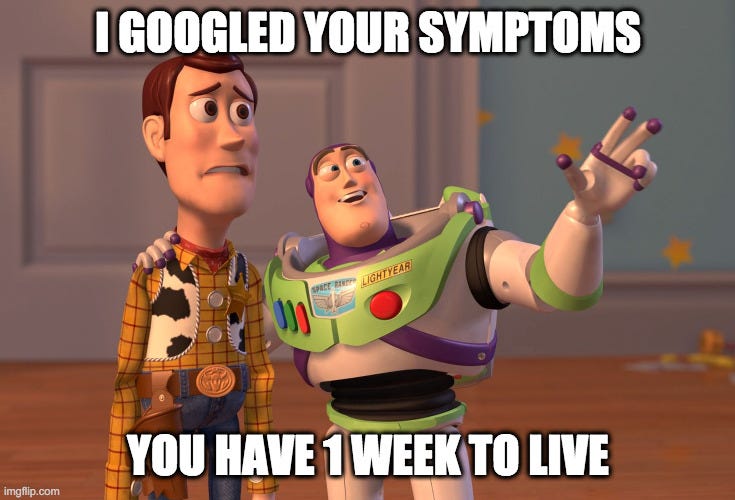
If Mr. Google can’t give you exactly what you need, conduct a trial-and-error session. Rack your brain for any possible solutions, assess patterns, and make a deduction. And if all else fails? It’s finally time to ask for help.
A good employee is someone who can minimise other people’s work as much as possible, is independent, and knows what to do in a quandary. Employers want to be assured that you can thrive, or at least survive, in an environment where people are occupied with their own work. Because if you’re i) independent enough to be able to do work without constant supervision and ii) can even propose more ideas that would enhance the company’s growth, success, or profitability, you’re already an invaluable asset to them.
Last but not least…Respect!
Respect? That's common sense… why does this need to be spelled out so explicitly anyway?
You’d be surprised at the number of comments we found on Reddit criticising Gen Z’s ill-mannered tendencies in the workplace. Scrolling through TikTok during meetings, watching Netflix during working hours, and even falling asleep in the washroom! In college, you could totally get away with these things because your lecturers don’t depend on you for anything; your not wanting to learn will only result in your own failure. In the workplace, on the other hand, every employee’s success is interconnected with that of others, which means that if you mess up, you’re setting other people up for failure too.
Not everyone likes their job, but that’s life. You can’t simply retaliate and not carry out your duties in the workplace just because you dislike working. It’s just something you HAVE to do! So do it anyway, and sooner or later it’ll become a routine that feels natural to you. For instance, if your wallet has been dry and desolate for the longest time, you’re famished, yet you despise cooking, what do you think you should do next to survive? Yes, you cook, despite detesting the very activity. If you don’t, you’ll starve to death. So you do it anyway.
The same goes for work. If you don’t do it, you won’t survive, or in other words, you’ll be reprimanded accordingly, or worse… EXPELLED.

So yes, not doing your job is a huge disrespect to your colleagues, because it means they have to fill the gaps you’ve created while they have other responsibilities to uphold.
One thing to keep in mind is that respect should not be given only to your bosses; it should be given to everyone, regardless of their position. Your peer, the new intern, and the janitor who cleans the office every morning–all of them deserve your respect. It’s not about superiority, but more so about what kind of person you are, in and out of the office.
Here are some tips to ensure you remain respectful to everyone (because sometimes we don’t realise that we’re being disrespectful ourselves):
i. Treat everyone with dignity. Never feel like you are more knowledgeable and valuable than anyone else, because everyone has a niche they specialise in. Being condescending and arrogant will only make you fall off the horse and get trampled.
ii. Avoid gossiping and judgment. You never know what someone’s going through. Gossiping and judging other people just reflects how little empathy you have.
iii. Be polite. Listen to others attentively (including putting your phone away during conversations) and avoid interrupting them when they’re speaking.
Another way to show respect is to be professional. Your work should be organised, submitted before the deadlines, and not done half-heartedly. Hariati mentioned that applicants often consider their resumes trivial. “Nowadays, you've got a lot of things that can help you in coming up with a very good, concise resume. But when a resume that is submitted has a lot of grammatical and formatting mistakes, it indicates that there's no initiative from the applicant to improve their resume,” she said. No matter how trivial it may seem, everything you submit or contribute reflects your professionalism.
Last but certainly not least, if someone disrespects you, never stoop down to their level and do the same. Always be a good person, no matter what. Because no matter how hardworking or intelligent you are, if you have a bad attitude, that’s the only thing people will remember you for.
Let’s recap!
Here’s what employers look for in fresh graduates:
- Proactiveness
- Communication skills
- Critical-thinking and analytical skills
- Respect
With these secret ingredients, you’re guaranteed to become a valuable employee people look up to. And gradually, you can climb the corporate ladder for a more fulfilling and rewarding career—one that doesn’t drain you and pays you well!
So, are you ready to step into the working world?
Got questions? Click here to chat with one of our counsellors on WhatsApp and get tailored advice!


Students
© 2009 - 2026 TIMES MEDIA SDN. BHD. (955976-P). All Rights Reserved.