10 Careers Perfect for LEGO Lovers

Ainul Fatihah
December 8, 2025
LEGO isn’t just a childhood toy, it’s a quiet teacher that shapes creativity, problem-solving skills and patience from a young age. Many professionals today, from designers to engineers to content reviewers, discovered that their love for building bricks actually prepared them for real careers. Through stories from real people, the article shows how simple LEGO habits like experimenting, fixing mistakes and building step by step translate into skills used in the working world. LEGO builds more than structures. It builds mindsets.
- LEGO builds real-world skills without you realising it.
Creativity, critical thinking, teamwork, patience, attention to detail and problem-solving are all shaped through those colourful bricks. - Childhood habits often reveal future careers.
Whether you loved designing worlds, fixing unstable builds or explaining instructions to friends, those tiny behaviours mirror real jobs like design, engineering, teaching, architecture and more. - LEGO teaches mindsets that matter in adulthood.
Breaking big tasks into smaller steps, staying calm when things go wrong, being curious and experimenting with solutions are skills that professionals use daily, from content reviewers to urban planners.
If you grew up building tiny houses, crazy spaceships, entire cities out of colourful bricks, or just simply playing LEGO, this is good news for YOU!
Bet some of us didn’t realise that LEGO is not just a fun hobby. According to Pam, a LEGO® Therapist at a UK children’s wellness centre, LEGO is where kids become mini–story creators.
In her Brick Buddies club, she lets them freestyle with the bricks and “experimenting, testing ideas and being adventurous”. “It’s creativity with no rules,” she says.
Creativity, problem-solving, patience, and teamwork all start with those little plastic bricks scattered on your bedroom floor. And guess what? All these traits can be applied to careers in today’s working field.
So if you are still obsessed with building sets or you proudly display your LEGO masterpieces, here are ten careers that might just fit you.
1. Designer
Some people grow up drawing. Some grow up crafting. And some, like Marcus Chin, grew up building. “LEGO was my first 'design software’. Just without the software part,” says the Junior Graphic Designer at NagaDDB Tribal.
He jokingly calls himself an ‘accidental designer’ because he chose the field while hunting for an internship. But when he looked back, the signs were always there. “I was the kid who loved arts and crafts, the kid who liked making things with his hands, the kid who kept rebuilding LEGO models until they looked right.”
Every time you build, you’re experimenting with shapes, colours and proportions. You learn what looks good together, what doesn’t work and how to fix things when your build looks… questionable.
Marcus says, “That’s basically a normal designer’s design process.” When he gets stuck on a project, he goes back to the same habits he had as a kid: exploring, researching, tweaking and rebuilding.
In design, attention to detail is everything. Clients will ask, “Why is this here? What does this colour mean? What’s the purpose of this shape?” For Marcus, LEGO prepares him for that. If a piece is missing or your model looks off, you feel it instantly.
Marcus laughs about the times he overlooked details in his work. “Sometimes I miss the titles, numbers.” He admits that design is really about slowing down, noticing the small parts and understanding how everything fits together.
“And that’s exactly what LEGO teaches you: every brick, every line, every colour matters. Just like designing,” he adds.
If you love building LEGO, that may be your first step into the world of designing.
2. Architect
If you were that kid (or student) who built a LEGO house and then said, “Wait, I can make it better,” congrats—you are already thinking like an architect.
Other than stacking bricks, you’re planning layouts, testing what’s stable, fixing the walls that collapse, and figuring out how to make everything look nice together.
Without realising, you’re learning how space works, how structures stand and how tiny changes can totally transform a design.
That is what architects do every day, except their bricks are heavier and the stakes are higher. LEGO is basically your starter kit for designing the buildings of the future, just in colourful plastic form.
3. Engineer
LEGO teaches you how things fit, how pieces work together and how one wrong brick can ruin everything. That’s basically engineering 101.
For engineer Muhammad Aiman bin Ahmad Niza, LEGO wasn’t just a toy. It was his gateway into the engineering world. He grew up building animals, vehicles and buildings out of bricks. “And yes, I even swallowed one as a toddler,” he says. The dedication was real.
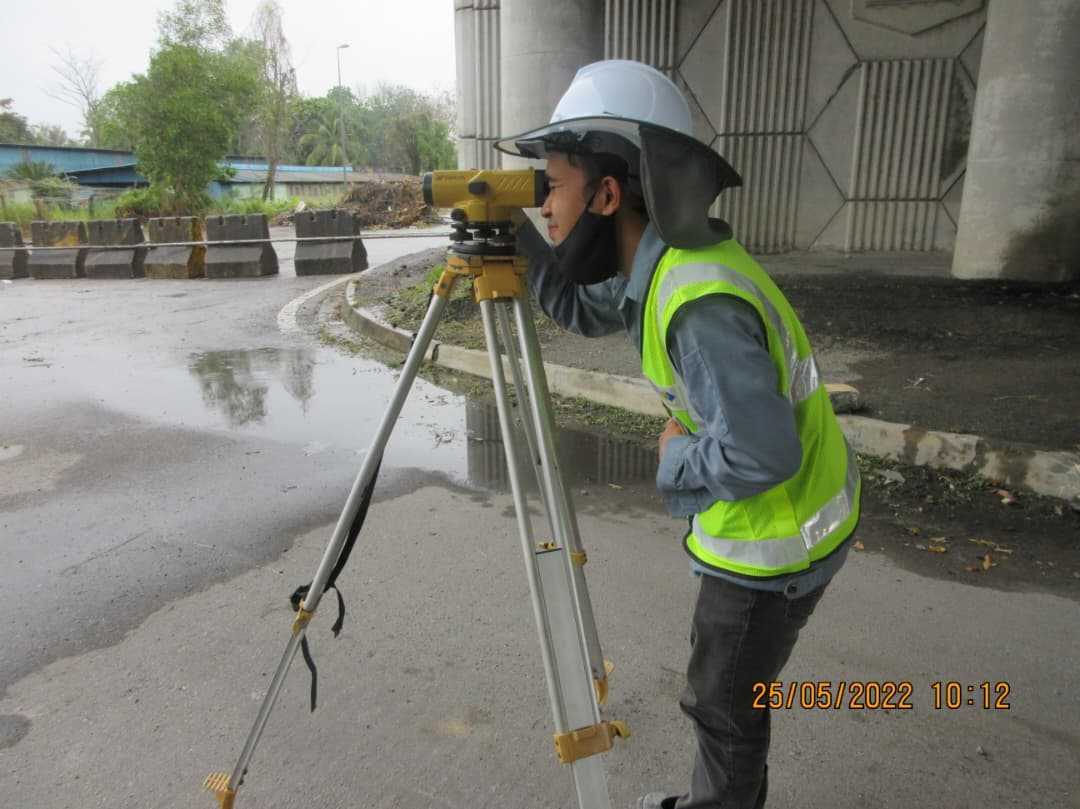
What he loved most was the satisfaction of building something from scratch. LEGO taught him the basics without him realising it: start with a strong base, build your components, then bring everything together. “Now, as a real engineer working on actual structures instead of tiny plastic ones, I still use the same mindset,” he adds.
He once had a structure that kept bending more than it should. The obvious fix didn’t work because there wasn’t enough space. So he did what every LEGO kid would do — tried a different piece.
“I added a horizontal member at the top to connect it to another vertical one. Problem solved,” he says. Just like LEGO, except the consequences are slightly scarier. A real building could have collapsed and endangered people, right?
Aiman’s biggest advice? "Be curious. Look at buildings, bridges, even ships, and ask, “How did they make this?” It’s not as simple as stacking bricks, but it might spark your engineer brain. And if you love LEGO, that spark might already be there.
4. Teacher
Some people might just realise they want to be a teacher when they’re building LEGO and suddenly become the unofficial “instruction manual” for everyone around them. LEGO has this sneaky way of making you break things down step by step, even when you’re not trying.
If you’ve ever paused mid-build and said, “Okay, let’s do this together,” that’s teacher energy. LEGO trains you to explain ideas clearly, solve problems calmly and keep things engaging. These traits are exactly what great teachers do.
5. LEGO Model Designer
Yes, this obviously exists, and yes, it’s as cool as it sounds. Imagine getting paid to build LEGO all day. LEGO Model Designers create the sets you see in stores.
They mix storytelling, engineering, colour theory and pure imagination. One wrong brick and the whole model looks weird, so every piece matters. My favourite would be the Harry Potter version. What can I say, I’m a Potterhead at heart.
If you’ve ever built something from scratch and thought, “This could be an actual set,” you’re already thinking like them. Basically, it’s your childhood dream turned into a career.
6. 3D Artist
If LEGO lets you build worlds with your hands, 3D art lets you build worlds with your mouse. Video games, movies, animations—3D artists create everything from dragons to spaceships to futuristic cities.
LEGO already trains your brain for this. You learn how shapes work, how objects fit together and how to make something look “right.”
The only difference is that digital bricks don’t hurt when you step on them. The thought of stepping on the bricks already makes me wince.
7. Architectural Visualiser
Ever built a LEGO city and then sat there like a proud mayor thinking, “People could totally live here”? That’s basically what architectural visualisers do, just with more expensive software.
They take building ideas and turn them into realistic images or walkthroughs so people can imagine how the space will feel.
It’s storytelling + design + vibes. If you love arranging LEGO streets, homes and buildings to create a tiny world, visualising real places might be your future superpower.
8. Content Reviewer
If you think content reviewing is just “watching videos all day”, Nursyahirah would like to politely disagree. Her day starts with a twenty-minute “morning huddle” where the team catches up on urgent updates and whatever wild video is trending that week. After that, it’s five straight hours of reviewing live content.
So where does LEGO fit into all this?
For Syahirah, it started with LEGO flower sets. She loves them because they look peaceful, but actually building them requires Olympic-level patience. “When you play LEGO, you follow instructions, right? And sometimes it gets confusing. But after a while, you learn how the pieces fit together,” she says.
She used to experiment with parts, fix mistakes and figure out what goes where, even when something felt off. That tiny habit of analysing pieces became the exact skill she now uses when reviewing difficult videos.
She calls LEGO her “escapism”. When work gets overwhelming, building a small section of her set gives her a little hit of dopamine. “Finishing a LEGO build feels like hitting my KPI,” she jokes.
Her organisational style also sounds suspiciously like LEGO logic. To avoid being crushed under the weight of hundreds of videos, she breaks the workload into bite-sized chunks. “I set small targets, like 10 to 15 videos an hour, so I don’t get overwhelmed,” she explains. Just like breaking LEGO instructions into tiny steps so you don’t throw the manual across the room.
The job isn’t always easy. Some days, she deals with harsh or vulgar content that can really dampen her mood. Her wellness therapist once reminded her that it’s normal because humans aren’t built to look at violent content all day.
That’s when her LEGO mindset kicks in again. When it gets too much, she pauses, takes a coffee break or chats with a colleague. Then she comes back with a clearer head. “With LEGO, sometimes the steps get confusing, and you feel like rushing to finish. But you have to slow down and break the process into small chunks. Same thing with work.”
Whether she’s defending a policy in a team debate or watching the twentieth questionable video of the day, one thing is clear: LEGO didn’t just entertain her, it trained her to stay organised, logical and calm under pressure.
Which, honestly, might be the real superpower behind every good content reviewer.
9. Urban Planner
If you were the kid who turned your LEGO table into a full-blown mini city with roads, a police station, one random castle, and a house that was definitely not fire-safe, you might want to explore the pathways of becoming an Urban Planner.
I mean, you were already doing urban planning without even knowing it. Urban planners basically do the same thing, just with real humans, actual traffic, and fewer dragons.
LEGO trains your brain to think, “Hmm, maybe I shouldn’t put the school next to the volcano,” which is exactly the kind of logic cities need. It teaches you how spaces connect, how people move and how everything needs to work together without collapsing like that one fragile tower you pretended was stable.
10. Exhibit or Set Designer
Or, if you’ve ever built a LEGO scene and gone “wait, what if I add a tiny tree here to make it look cute”, you already get the vibe of set design.
Exhibit and set designers are the people behind museum displays, theatre stages and theme park worlds. They decide what people see, how they feel and how they move through a space.
Your LEGO dioramas were basically your first portfolio pieces, ok. You were already experimenting with lighting (aka placing it near the window), spacing (so it doesn’t fall off the table) and storytelling (because obviously the minifig is running away from the dinosaur).
Turn that same energy into real-world set design and boom, career unlocked.
LEGO is More Than a Toy
Playing LEGO teaches creativity, focus, teamwork, patience and problem-solving. These skills power some of the most exciting careers today, from engineering to design to content reviewing.
If you love LEGO, let it guide you. Look at what you enjoy building. Look at how you think when something breaks or does not fit. Those tiny habits might be pointing you toward a career where your creativity and skills truly shine.
Your LEGO journey could be the start of a future career you never expected. Go explore, go build and see where your passion takes you.
Got questions? Click here to chat with one of our counsellors on WhatsApp and get tailored advice!


Students
© 2009 - 2026 TIMES MEDIA SDN. BHD. (955976-P). All Rights Reserved.